How Often to Change Washing Machine Hoses? Proactive Maintenance
Washing machine hoses may seem like an afterthought, but neglecting them can lead to costly water damage in your home. In this article, we will explore the proactive maintenance steps you can take to prevent hose failure and how often you should be changing out these important components. Stay informed and keep your laundry room running smoothly with our expert tips.
– Importance of Regularly Inspecting Washing Machine Hoses
Regularly inspecting washing machine hoses is crucial for ensuring the safety and functionality of your appliance. Over time, hoses can wear out, become brittle, or develop cracks, which can lead to leaks or even flooding in your home. By proactively maintaining your washing machine hoses, you can prevent costly water damage and potential hazards.
One key aspect of maintaining washing machine hoses is knowing how often to change them. Experts recommend replacing hoses every 3-5 years, even if they appear to be in good condition. This proactive approach can help you avoid potential disasters and extend the lifespan of your washing machine.
When inspecting your washing machine hoses, look for signs of wear and tear, such as bulges, cracks, or fraying. Additionally, check for any leaks or kinks in the hoses. If you notice any issues during your inspection, it’s important to replace the hoses immediately to prevent any potential problems.
Regularly inspecting and replacing washing machine hoses may seem like a small task, but it can make a huge difference in maintaining the safety and efficiency of your appliance. By staying proactive with your maintenance routine, you can enjoy peace of mind knowing that your washing machine is in good working condition.
– Signs of Wear and Tear to Look Out For
Over time, washing machine hoses can deteriorate and develop wear and tear. It’s important to regularly inspect your hoses for any signs of damage to prevent potential leaks and water damage in your home. Here are some key indicators to watch out for:
- Bulging or cracking: Check the hoses for any bulging or cracking, as this could indicate weakening of the material.
- Leaks: Look for any signs of water leaks around the hose connections or along the length of the hoses.
- Corrosion: Check for any corrosion or rust on the hose fittings, as this could lead to potential leaks.
- Fraying or kinking: Inspect the hoses for any fraying or kinking, which can restrict water flow and cause damage over time.
By proactively monitoring and replacing your washing machine hoses when necessary, you can ensure the continued efficiency and safety of your appliance.
– Recommended Frequency for Replacing Washing Machine Hoses
Regularly replacing your washing machine hoses is an essential part of proactive maintenance to prevent potential leaks and water damage in your home. While it’s not something we often think about, these hoses play a crucial role in ensuring your washing machine runs smoothly and efficiently.
Experts recommend replacing your washing machine hoses every 3 to 5 years to avoid any unexpected issues. Over time, hoses can become brittle, cracked, or worn out, increasing the risk of leaks and ruptures. By staying on top of this simple maintenance task, you can save yourself from costly repairs and potential water damage in the long run.
Make it a habit to inspect your washing machine hoses regularly for any signs of wear or damage. Look for bulges, cracks, or leaks, and replace them immediately if you notice any issues. It’s a small investment of time and money that can save you from a major headache down the road.
Remember, being proactive about replacing your washing machine hoses is a simple but effective way to keep your home safe and secure. Don’t wait until it’s too late – schedule a hose replacement today and enjoy peace of mind knowing your washing machine is in good working condition.

– Avoiding Costly Water Damage with Proactive Maintenance
Regular maintenance of your washing machine hoses is crucial in preventing costly water damage in your home. Over time, hoses can deteriorate and develop cracks or leaks, leading to potential flooding and water damage. By proactively replacing your washing machine hoses, you can avoid these issues and save yourself from expensive repairs.
But how often should you change your washing machine hoses? Generally, it is recommended to replace them every 3-5 years to ensure they are in good condition. However, factors such as the quality of the hoses, water pressure, and frequency of use can all affect their lifespan. Inspecting your hoses annually for signs of wear and tear is a good practice to catch any issues early on.
When purchasing new washing machine hoses, opt for high-quality, durable hoses that are designed to last. Stainless steel braided hoses are a popular choice as they are more resistant to wear and tear compared to traditional rubber hoses. Additionally, always turn off the water supply to your washing machine before replacing the hoses to prevent any accidental leaks.
By staying proactive with your washing machine hose maintenance, you can protect your home from water damage and extend the lifespan of your appliances. Don’t wait for a leak to happen – take the necessary steps to ensure your washing machine hoses are in good condition and functioning properly.
– Materials to Consider When Purchasing New Hoses
When purchasing new hoses for your washing machine, it is essential to consider the materials they are made of. Choosing the right materials can greatly impact the durability and performance of your hoses. Here are some materials to consider:
– **Rubber**: Rubber hoses are commonly used in washing machines due to their flexibility and durability. They are also resistant to kinking, which can help prevent water leakage.
– **Stainless steel**: Stainless steel hoses are another popular choice as they are highly durable and resistant to corrosion. They can withstand high water pressure, making them a reliable option for long-term use.
– **Plastic**: Plastic hoses are more affordable than rubber or stainless steel hoses. However, they are less durable and may need to be replaced more frequently. They are best suited for light-duty washing machines.
– **Braided nylon**: Braided nylon hoses are a good alternative to stainless steel hoses. They are flexible, durable, and resistant to kinking. They are also less expensive than stainless steel hoses.
When deciding on the material for your washing machine hoses, consider factors such as the frequency of use, water pressure, and budget. Investing in high-quality hoses made of durable materials can help prevent costly water damage and ensure the smooth operation of your washing machine.
– How to Properly Install and Secure Washing Machine Hoses
One of the most crucial maintenance tasks for your washing machine is to regularly check and replace the hoses that supply it with water. Failing to do so can lead to leaks, which can cause significant damage to your home. Luckily, this task is quite simple and can easily be done by following a few steps.
Firstly, make sure to turn off the water supply to the washing machine before starting any work. This can typically be done by turning the valve located behind the machine. Once the water is turned off, you can proceed to remove the old hoses. Inspect them for any signs of wear and tear, such as cracks, bulges, or leaks. If you notice any damage, it’s time to replace them.
When installing the new hoses, ensure that they are properly secured to both the washing machine and the water supply. Use a wrench to tighten the connections, but be careful not to overtighten as this can cause damage. Once everything is securely in place, turn the water supply back on and check for any leaks. If everything looks good, you’re all set!
Remember to regularly inspect your washing machine hoses and replace them every 3-5 years as a proactive maintenance measure. This simple task can save you from costly repairs down the line. By staying on top of your washing machine hose maintenance, you can ensure that your machine runs smoothly and efficiently for years to come.
– Consulting a Professional for Complex Installations
When it comes to maintaining your washing machine, one crucial aspect that often gets overlooked is the condition of the hoses that supply water to the machine. Washing machine hoses can deteriorate over time due to constant exposure to water pressure and heat, leading to potential leaks and water damage in your home.
Experts recommend replacing your washing machine hoses every 3 to 5 years as a proactive maintenance measure to prevent unexpected leaks and flooding. Regularly inspecting the hoses for signs of wear and tear, such as cracks, bulges, or rust, can also help you detect any issues early on.
If you’re unsure about how to properly replace your washing machine hoses or if you have a complex installation setup, consulting a professional plumber or appliance technician is highly recommended. They can ensure that the hoses are installed correctly and that all connections are secure, giving you peace of mind and avoiding potential water damage in the long run.
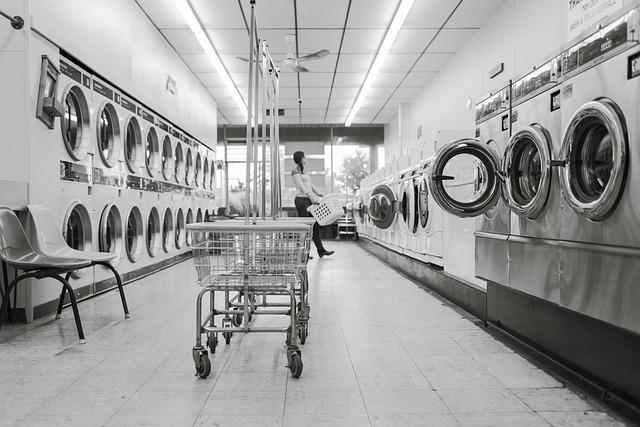
– Extending the Lifespan of Your Washing Machine with Hose Replacements
Regularly replacing the hoses on your washing machine is a crucial part of proactive maintenance that can significantly extend the lifespan of your appliance. By replacing the hoses every few years, you can avoid potential disasters such as leaks, bursts, and flooding in your home. It’s a simple and inexpensive task that can save you from costly repairs or even having to replace your washing machine entirely.
So, how often should you change your washing machine hoses? Experts recommend replacing them every 3-5 years, even if they appear to be in good condition. Over time, hoses can deteriorate from the inside out, leading to potential failure. By replacing them on a regular schedule, you can ensure that your washing machine continues to function properly and avoid any unexpected issues.
When it comes to choosing replacement hoses for your washing machine, opt for high-quality, reinforced hoses that are designed to withstand high water pressure. Look for hoses that are labeled as “burst-proof” or “reinforced” to ensure maximum durability. Additionally, consider upgrading to stainless steel braided hoses for added strength and longevity.
– Taking Precautions to Prevent Hose Failures
Regularly inspecting and replacing your washing machine hoses is essential in preventing hose failures and potential flooding in your home. While some manufacturers recommend replacing hoses every 3-5 years, it’s a good idea to check your hoses for any signs of wear or damage more frequently, especially if you use your washing machine frequently.
Here are some precautions you can take to prevent hose failures:
- Inspect hoses regularly for any signs of bulging, cracking, leaking, or fraying.
- Replace hoses every 3-5 years, or sooner if needed.
- Avoid over-tightening connections, as this can cause stress on the hoses.
- Consider upgrading to stainless steel braided hoses for added durability.
By taking proactive measures to maintain your washing machine hoses, you can help prevent costly water damage and ensure the continued efficiency of your appliance. Don’t wait for a hose failure to occur – schedule regular maintenance checks and replacement of hoses to keep your home safe and dry.
– Understanding the Risks of Neglecting Washing Machine Hose Maintenance
Maintaining your washing machine hoses is a crucial aspect of home appliance care that is often overlooked. Neglecting to regularly inspect and replace your washing machine hoses can lead to disastrous consequences such as leaks, floods, and even water damage to your home. By understanding the risks associated with neglecting washing machine hose maintenance, you can take proactive steps to ensure the longevity and efficiency of your appliances.
To prevent these potential hazards, it is recommended to replace your washing machine hoses every five years. Even if your hoses appear to be in good condition, wear and tear can occur over time due to pressure and constant use. Regularly checking for signs of damage such as cracks, bulges, or leaks can help you identify when it’s time for a replacement. **Proactively upgrading to high-quality stainless steel hoses can provide added durability and peace of mind.**
In addition to regular inspections and replacements, it is essential to properly install and secure your washing machine hoses. Ensuring that the hoses are not kinked, twisted, or excessively tightened can help prevent unnecessary strain and potential leaks. **Using hose washers and tightening connections with a wrench can also help maintain a secure seal.**
By prioritizing washing machine hose maintenance, you can avoid costly repairs and potential water damage to your home. Taking a proactive approach to appliance care can not only extend the lifespan of your washing machine but also provide you with the confidence and peace of mind that your home is protected from unexpected disasters.
Concluding Remarks
In conclusion, proper maintenance of your washing machine hoses is crucial to prevent potential water damage and leaks in your home. Experts recommend replacing these hoses every five years to ensure they remain strong and reliable. By being proactive with this simple maintenance task, you can avoid costly repairs and potential disasters. Remember to check your hoses regularly for signs of wear and tear, and don’t hesitate to replace them if needed. Your peace of mind is worth the effort!
Get our latest guides, news, and insights highlighted in your Google Search & AI Overviews.