
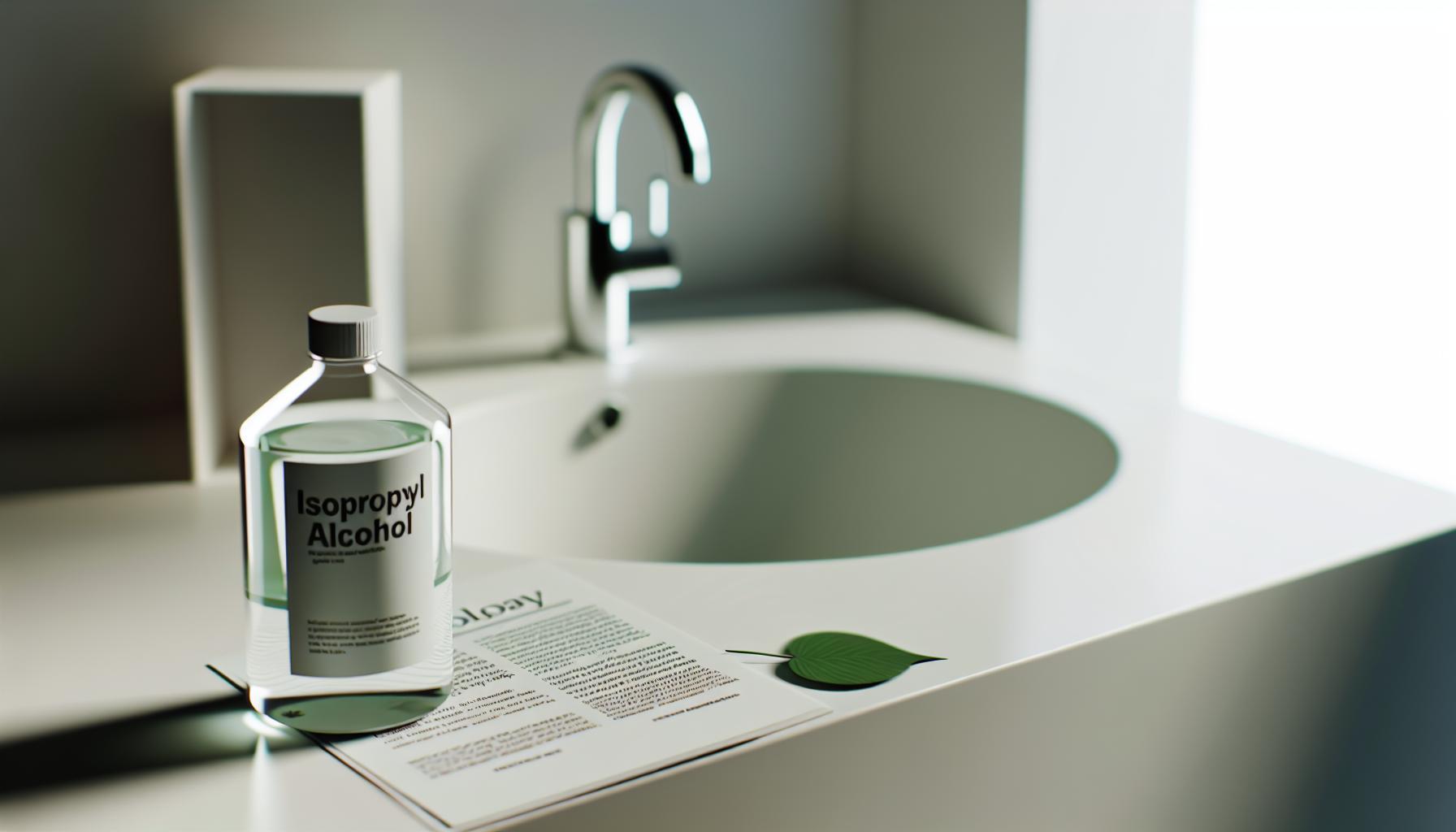
Can You Flush Isopropyl Alcohol? Chemical Disposal Safety
Isopropyl alcohol is a common household and laboratory chemical, widely used for cleaning and disinfecting. but what happens when you need to dispose of it? Many wonder, “Can you simply flush isopropyl alcohol down the drain?” Understanding the safest way to dispose of this chemical is essential-not only to protect your plumbing but also to prevent environmental harm and comply with safety guidelines.Whether you’re a homeowner, healthcare worker, or hobbyist, knowing proper disposal methods helps you avoid potential hazards while staying responsible. Let’s explore why flushing isopropyl alcohol may not be as straightforward as it seems and what measures you should take to handle it safely. This knowledge empowers you to care for your surroundings and ensures chemical disposal is managed thoughtfully and effectively.
is It Safe to Flush Isopropyl alcohol Down the Drain?

Isopropyl alcohol (IPA) is widely used in households and industries as a disinfectant and solvent, which naturally raises the question: is it harmless to simply flush it down the drain? While small amounts of isopropyl alcohol diluted with plenty of water generally pose minimal immediate risk when poured into a household sink, routinely disposing of larger quantities this way isn’t advisable. This is as of its flammable nature and potential environmental impact, especially if discharged in concentrated forms.
From a practical standpoint, flushing tiny amounts of diluted isopropyl alcohol is unlikely to cause major harm to your local wastewater systems, which are typically designed to break down alcohol-based compounds through biological treatment processes. However, dumping notable volumes directly into the drain can overwhelm these systems and may allow some chemicals to escape into natural waterways. Additionally, isopropyl alcohol’s volatility means it can introduce flammable vapors into plumbing systems, creating safety hazards if not properly ventilated or handled.
- Volume matters: Safely disposing of small spills or residues diluted with water usually has minimal environmental consequence.
- Concentration is crucial: Highly concentrated isopropyl alcohol should never be flushed due to fire risks and potential damage to biological treatment.
- Local regulations vary: Some municipalities may have strict rules against pouring chemicals down drains, so it’s important to consult local waste management guidelines.
If you have leftover isopropyl alcohol, consider safer disposal methods that minimize risk and environmental impact rather than flushing. This approach not only protects your home plumbing and local ecosystems but also aligns with best practices for chemical stewardship. In short, occasional, diluted flushing might be safe, but making this a regular disposal method is not recommended and could foster long-term issues.
Environmental Risks of Improper isopropyl Alcohol Disposal

Isopropyl alcohol, while common and seemingly harmless in small quantities, can pose significant environmental challenges when disposed of improperly. When large amounts of undiluted or concentrated isopropyl alcohol enter waterways or soil systems, the risks multiply beyond simple toxicity. These compounds can disrupt delicate ecosystems by depleting oxygen levels as microorganisms work to break down the chemical, potentially causing harm to aquatic life and reducing biodiversity.
Improper disposal, such as flushing concentrated isopropyl alcohol down drains, can lead to contamination of groundwater and surface water sources. Because isopropyl alcohol is volatile and highly flammable, it also increases the risk of fire hazards-not just in domestic plumbing but in wastewater treatment infrastructure.Venting flammable vapors into confined spaces like sewer lines or treatment plants can create unsafe working conditions for facility operators and increase the chance of accidental ignition.
Impact on Aquatic Ecosystems and Soil
Isopropyl alcohol biodegrades relatively quickly under optimal aerobic conditions, but unexpected releases in large volumes can overwhelm natural processes. This can result in:
- Oxygen depletion: microbial degradation consumes dissolved oxygen,stressing or killing fish and other aquatic organisms.
- Altered microbial communities: Sensitive environmental microbes essential for nutrient cycling may be disrupted,leading to imbalanced ecosystems.
- Soil contamination: if improperly disposed onto land or through leaky plumbing systems, isopropyl alcohol can affect soil quality and inhibit plant growth.
Long-term Environmental Considerations
Though isopropyl alcohol is less persistent than many industrial chemicals, repeated improper disposal escalates risks of chronic pollution.Over time, accumulation can degrade environmental resilience and complicate water treatment operations. For instance, treatment plants rely on specific microbial populations to process organic matter; large doses of alcohol can temporarily inhibit these biologic systems, impairing their efficiency and potentially allowing untreated effluent to be released.
Practical Tip: Avoid pouring more than small, highly diluted amounts of isopropyl alcohol down household drains. Rather, explore local hazardous waste programs designed to treat chemical disposals safely and prevent environmental harm.
By taking responsible steps to manage leftover isopropyl alcohol, users help safeguard aquatic life, protect soil health, maintain effective wastewater treatment, and prevent hazardous conditions in both domestic and municipal systems. Understanding these environmental implications empowers better disposal choices that benefit your community and ecosystems alike.
Sources: isopropyl alcohol’s biodegradability and environmental impact are discussed in various chemical safety resources [[1]](https://www.chemixlab.com/explained/what-is-isopropyl-alcohol-definition-production-properties-uses/), [[2]](https://byjus.com/chemistry/isopropyl-alcohol/) and its behavior in water treatment systems is well documented [[3]](https://en.wikipedia.org/wiki/Isopropyl_alcohol).
Local Regulations and Guidelines for Chemical Waste

Disposing of isopropyl alcohol isn’t just a matter of convenience-it’s regulated under various local, state, and federal guidelines designed to protect public health and the habitat. Many jurisdictions classify isopropyl alcohol as a hazardous waste when it exceeds certain quantities or concentrations,meaning it cannot legally be poured down drains,onto the ground,or disposed of with regular trash. Understanding these regulations is essential for responsible stewardship and to avoid potentially costly fines or environmental harm.
Local environmental agencies often require individuals and businesses to follow specific protocols for chemical waste disposal, which may include utilizing designated hazardous waste collection sites or participating in special chemical take-back programs. For example, municipal hazardous waste programs commonly accept residual isopropyl alcohol but may have caps on volume or stipulations on container types and labeling.Some areas also mandate that containers holding isopropyl alcohol be tightly sealed and clearly marked to prevent accidental exposure or spills during transport.
Key Regulatory Considerations
- Quantity thresholds: Small household amounts of diluted isopropyl alcohol are generally less restricted, but larger volumes-especially concentrated forms-often trigger more stringent controls.
- Disposal bans: Many local laws explicitly prohibit dumping solvents like isopropyl alcohol into storm drains, septic systems, or regular sewer lines to prevent environmental contamination and infrastructure hazards.
- Reporting requirements: Industrial users may need to document and report disposal methods to environmental authorities, ensuring accountability and proper tracking of hazardous waste streams.
- Transportation rules: If you’re moving isopropyl alcohol waste to a collection or disposal site, follow local transport guidelines, which frequently enough specify container integrity and labeling to minimize risks.
Many communities offer seasonal or year-round hazardous waste collection events that serve as safe, legal options for disposing of isopropyl alcohol. Checking with your local waste management department or environmental agency websites can provide crucial details, including where and when these services are available, what quantities are accepted, and any preparation steps needed before drop-off.
Real-world example: In California,isopropyl alcohol discarded from both households and businesses must comply with the California Department of Toxic Substances Control’s guidelines,which prohibit drain disposal of flammable solvents and encourage use of local regulated collection programs. This ensures that potentially harmful chemicals are processed through specialized treatments that mitigate environmental impact, rather than entering wastewater or landfill streams uncontrolled.
By familiarizing yourself with local rules and utilizing certified hazardous waste programs, you not only comply with legal requirements but also contribute meaningfully to safeguarding water quality, public health, and ecosystem balance.
| Local Area | Disposal Restrictions | Recommended action |
|---|---|---|
| New York City | Prohibits drain disposal of flammable solvents | Use local hazardous waste events or registered disposal sites |
| Texas | Limits household chemical quantities; business disposal regulated | Contact county waste management for collection options |
| California | Strict rules on hazardous waste disposal and transport | Participate in DTSC-approved collection programs |
Step-by-Step Guide to Proper Isopropyl alcohol Disposal

Disposing of isopropyl alcohol safely is crucial, not just for compliance with regulations but also to protect your local environment and water systems. Before taking any action, it’s important to recognize that isopropyl alcohol, especially in concentrated forms, is classified as a flammable solvent and should never be poured directly down household drains or into storm sewers. Rather, following a clear and careful process ensures you minimize risks and adhere to legal guidelines.
Gather and Prepare Your Isopropyl Alcohol Waste
Begin by collecting all isopropyl alcohol you intend to dispose of. Use original containers if possible or select robust, leak-proof bottles clearly labeled as containing isopropyl alcohol. Avoid mixing this chemical with other household wastes or liquids to prevent hazardous reactions. If you have large quantities, ensure containers are tightly sealed and placed in secondary containment (like plastic bins) to avoid spills during transport.
Locate Authorized Disposal Options
Check with your local environmental protection agency, hazardous waste collection events, or waste management facilities to find approved drop-off sites.Many municipalities offer scheduled collection days where residents can safely hand over solvent wastes free of charge or for a nominal fee. Industrial users may need to arrange special pickups or utilize licensed chemical waste contractors.For example, in California, participation in programs approved by the Department of Toxic Substances Control is strongly recommended for proper solvent disposal.
Transporting and Dropping off Waste Safely
When transporting isopropyl alcohol, use a well-ventilated vehicle and secure containers firmly to prevent tipping or leaks. Avoid exposure to heat sources, open flames, or direct sunlight, as the liquid is flammable. Once at the collection site, follow staff instructions for handing over your material, which might include completing paperwork or providing identification. This controlled approach ensures solvents are managed by professionals trained in processing or neutralizing hazardous wastes.
Additional Tips for household disposal
- Small Quantities: For less than a cup or diluted solutions, small amounts might sometimes be safely allowed in trash after absorbing with an inert material like kitty litter, but confirm with local guidelines.
- Do Not Dilute and Flush: Never dilute isopropyl alcohol with water and pour down drains; this can harm water treatment plants and aquatic life.
- Labeling is Key: Always label waste containers with contents and hazard warnings to protect waste handlers and comply with regulations.
| step | Action | Reason/Benefit |
|---|---|---|
| 1. Collection | Gather isopropyl alcohol in secure, labeled containers | Prevents leaks and ensures safe handling |
| 2. Find Disposal Options | Identify local hazardous waste events or sites | Ensures legal and environmentally safe disposal |
| 3. Transport Safely | Secure containers, avoid heat/flames during transport | Minimizes risk of spills or accidents |
| 4. Drop-off and Record | Hand over materials following facility protocols | Accounts for proper management and compliance |
Taking these intentional steps empowers you to dispose of isopropyl alcohol responsibly, avoiding potential environmental damage and staying within the bounds of local regulations. By investing time in proper disposal, you contribute to safer communities and cleaner water systems.
Effects of Isopropyl Alcohol on Water Treatment Systems

Isopropyl alcohol, while common in households and industries, can pose significant challenges when introduced into water treatment systems through improper disposal. Its flammable and volatile nature means that even small amounts entering wastewater streams can disrupt the delicate balance of biological processes that many treatment plants rely on to break down organic matter. For example, isopropyl alcohol’s antimicrobial properties can inhibit the beneficial bacteria and microorganisms essential for effective sewage treatment, leading to reduced efficiency and possible system malfunctions.
Additionally, isopropyl alcohol is highly soluble in water, which allows it to travel quickly through sewer lines and into treatment plants. While these facilities are designed to manage certain contaminants, high concentrations of solvents like isopropanol can overwhelm treatment processes. This can result in incomplete degradation and potentially harmful compounds entering natural water bodies, adversely affecting aquatic ecosystems by reducing oxygen levels and harming fish and plant life.
Why dilution Doesn’t Guarantee safety
Some might assume that diluting isopropyl alcohol before flushing minimizes risks, but this approach is misleading. Even diluted,the compound can still interfere with microbial populations and increase chemical oxygen demand (COD) in wastewater. This additional oxygen demand strains treatment systems, forcing plants to work harder and possibly requiring more energy or costly interventions.
Protecting Water Treatment Infrastructure
Wastewater treatment facilities often incorporate multiple stages-like primary sedimentation, biological treatment, and chemical disinfection-to cleanse water adequately. Introducing chemicals like isopropyl alcohol outside these controlled environments complicates treatment and can cause odors, foaming, and toxic byproducts. Furthermore, flammability concerns mean that vapors collected during treatment pose explosion risks if not properly managed, making unauthorized disposal an even greater hazard.
- Disruption of microbial ecosystems: Inhibits bacteria that degrade organic waste.
- Increased oxygen demand: Leads to stressed treatment processes.
- Potential toxicity: Harmful byproducts might potentially be released into waterways.
- Safety hazards: Flammable vapors can accumulate, risking explosions.
by understanding these risks, it becomes clear why flushing isopropyl alcohol down household or industrial drains is strongly discouraged. Proper chemical waste management protects water treatment infrastructure,ensuring communities have access to safe,clean water and that environmental systems remain resilient.
For those handling isopropyl alcohol, the best practice is to engage with certified disposal services or participate in local hazardous waste collection programs. This approach avoids the costly consequences and dangers posed by improper chemical disposal while safeguarding vital water treatment operations.
Household Alternatives to Flushing Isopropyl Alcohol

Many households keep isopropyl alcohol on hand for cleaning, disinfecting, or first aid, but disposing of it properly can be a puzzle when you want to avoid harming the environment. Instead of flushing this chemical down the drain-an action that poses risks to wastewater treatment and aquatic ecosystems-you have several safer and more responsible alternatives that protect both your home plumbing and the wider environment.
One practical option is to take advantage of local hazardous waste collection programs or special chemical disposal events frequently enough organized by municipalities. These services are specifically designed to handle substances like isopropyl alcohol safely. Before heading to a facility, check their guidelines as some centers require the alcohol to be in its original container or segregated from other waste. This method ensures that isopropyl alcohol is processed under controlled conditions, preventing contamination or accidental releases.
If participating in a local collection program isn’t feasible, another approach is to minimize leftover isopropyl alcohol through careful usage and storage. Using only the amount you need reduces waste generation, while keeping the container tightly sealed and in a cool, well-ventilated place maintains the chemical’s stability and usability for future tasks. This strategy helps extend the product’s life span, which may reduce the need for disposal altogether.
For small amounts that are fully dried out or evaporated,the residues can often be disposed of with regular trash,but caution is necessary.Allow the isopropyl alcohol to evaporate fully in a safe outdoor area, away from heat sources or flames, since the liquid is highly flammable. Once no liquid remains, the empty container can be recycled or discarded per local recycling rules. However, never pour even small quantities directly into sinks, toilets, or storm drains as this risks environmental contamination.
- Utilize hazardous waste collection sites: Safe, certified disposal tailored for chemicals.
- Store properly for future use: Seal containers well and keep them away from heat.
- Evaporation method for tiny amounts: Let isopropyl alcohol air dry outdoors safely before discarding containers.
- Avoid mixing with other household waste: Never combine isopropyl alcohol with incompatible substances to prevent dangerous reactions.
By adopting these alternatives, you not only avoid the environmental pitfalls of improper disposal but also contribute actively to protecting municipal water systems and local wildlife habitats. Taking a mindful and informed approach to chemical use and disposal can make a big difference in community health and safety.
How to Store Isopropyl Alcohol before Disposal

Isopropyl alcohol’s volatility and flammability make careful storage essential before disposal to prevent accidents and environmental harm. Leaving containers open or improperly sealed can lead to hazardous vapors accumulating, posing fire risks and reducing the chemical’s effectiveness if you intend to reuse it later. Proper containment also prevents spills that could damage surfaces or seep into unintended areas.
To maintain safety and chemical integrity, always keep isopropyl alcohol in its original container or a compatible, tightly sealed one designed for flammable liquids. Store it in a cool, dry location away from direct sunlight, heat sources, or open flames. A well-ventilated space, such as a designated cabinet or shelf in a utility area, helps dissipate any minor vapor buildup safely. Labeling the container clearly ensures household members or waste handlers recognize its contents and handle it appropriately.
- seal tightly: Ensure caps are screwed on firmly to prevent leaks and evaporation.
- Use original or approved containers: Avoid transferring into plastic or metal containers not rated for flammable liquids.
- Keep away from ignition sources: Store out of reach of heaters, pilot lights, or appliances that could spark combustion.
- Store upright and secure: Prevent tipping or accidental squashing,which can cause spills.
For households anticipating disposal through local hazardous waste programs,keeping isopropyl alcohol in its original bottle can facilitate processing and avoid rejection by disposal facilities. If original packaging is damaged,replace it with a compatible container and label it plainly.Avoid mixing isopropyl alcohol with other chemicals during storage to prevent dangerous reactions, such as releasing toxic fumes or causing fires.
by taking these precautions, you preserve safety within your home and contribute to more effective, safer disposal downstream, reducing risks to people and the environment.
Common Misconceptions About Flushing Chemicals

Flushing chemicals like isopropyl alcohol down the drain is often seen as a swift and harmless way to dispose of small amounts, but this common practice is fraught with misunderstandings that can have serious consequences. One major misconception is that household drains and water treatment facilities are equipped to safely handle all types and concentrations of chemicals. In reality, many treatment plants are designed primarily for organic waste and contaminants from human activity, not industrial solvents or flammable liquids. This means that chemicals like isopropyl alcohol can pass through the system untreated, leading to potential contamination of local waterways and ecosystems.
Another widespread myth is that diluting chemicals with water before flushing them completely neutralizes any risk. While dilution reduces concentration,it doesn’t eliminate the toxic or flammable nature of substances like isopropyl alcohol. Even small amounts entering the sewage system may interfere with the biological processes essential for treating wastewater or pose fire risks in plumbing infrastructure, especially where vapor buildup can occur.
- “It’s just a small amount, so it’s safe to flush”: Many people believe that disposing of minimal volumes won’t cause harm. However, these cumulative minor disposals can aggregate in water treatment plants or the environment, leading to pollution that impacts aquatic life and drinking water safety.
- “Water treatment will remove all chemicals”: Treatment plants vary in their chemical processing capabilities and often aren’t equipped to break down solvents effectively, resulting in residual contamination.
- “Flushing is more convenient and better than throwing chemicals in the trash”: incorrect disposal into household trash can sometimes pose less environmental risk provided the chemical is secured properly, whereas flushing can cause widespread contamination.
Real-World consequences of Misconceptions
Improper disposal due to these misconceptions can lead to unexpected problems such as clogged or corroded pipes, increased operational costs for wastewater treatment, and harm to wildlife in nearby aquatic environments. For example,isopropyl alcohol’s volatility means it can vaporize in plumbing vents and create flammable conditions-a risk that’s underestimated when people simply flush it away without awareness.
How to Avoid These Pitfalls
Understanding these misconceptions is the first step toward safer chemical disposal. Instead of flushing, seek out local household hazardous waste collection programs or approved chemical disposal services. Label chemicals clearly, store them securely, and never mix substances, which could lead to hazardous reactions. Being informed and cautious helps protect both public health and the environment from needless harm caused by everyday disposal habits.
Safer Chemical Disposal Methods for Home and Industrial Use

Disposing of chemicals like isopropyl alcohol safely is essential to protect both the environment and public health. Fortunately, there are several responsible methods available to homeowners and industries that minimize risks and comply with environmental regulations. Rather than flushing or tossing chemicals casually,these options ensure that hazardous substances are handled in a way that prevents contamination and hazards.
For residential use, many communities offer household hazardous waste (HHW) collection events or permanent drop-off centers where isopropyl alcohol and other solvents can be surrendered safely.These programs often partner with licensed waste handlers who treat or recycle chemicals using approved technologies. If such services are unavailable nearby, contacting local environmental agencies can provide guidance on authorized disposal pathways. Never mix solvents with regular trash or pour them into storm drains,as uncontrolled release could harm soil,groundwater,and wildlife.
Industrially, companies must adhere to strict chemical disposal protocols regulated by agencies like the EPA or local authorities. Typically, this involves segregating isopropyl alcohol waste in clearly labeled containers and arranging transport through licensed hazardous waste carriers. Facilities may use techniques such as incineration, distillation, or chemical neutralization to render the waste safe before final disposal. Investing in solvent recycling systems is also becoming common practice, reducing both environmental footprint and procurement costs by recovering and purifying used alcohol for reuse.
- Use designated HHW programs: Check for municipal collection points or community events for safe chemical drop-off.
- Label and store properly: Keep isopropyl alcohol in its original container or a clearly marked receptacle with a secure cap.
- do not mix chemicals: Combining different substances can cause dangerous reactions during disposal or transport.
- Consult professionals: For large quantities, hire certified hazardous waste management companies to ensure compliance and safety.
These practices not only minimize the risk of environmental contamination but also prevent dangerous situations such as fires or toxic exposure. By choosing responsible disposal routes, homeowners and industries can contribute to cleaner waterways and safer communities while aligning with legal requirements. Remember, proper chemical stewardship is as critically important in small household amounts as it is indeed in large-scale industrial operations.
What To Do If you Accidentally Flush Isopropyl Alcohol

Flushing isopropyl alcohol down the drain accidentally can cause immediate concern, but taking calm and informed steps helps mitigate potential problems.As isopropyl alcohol is a volatile, flammable solvent with a faintly pungent odor, it’s critically important to understand that while small household amounts are unlikely to cause severe acute damage to plumbing or the environment, improper disposal can still affect local water treatment systems and ecosystems.
Immediate Actions to Take
if you realize you’ve poured isopropyl alcohol into a sink or toilet, ventilate the area promptly by opening windows or turning on exhaust fans to dissipate any flammable vapors.Avoid using electrical appliances near the spill to reduce fire risks. Then, run plenty of cold water through the drain for several minutes to dilute the alcohol and help flush it toward the municipal wastewater system, which is designed to handle certain levels of chemical contaminants safely.
Inform Local Wastewater Authorities if Necessary
For larger volumes-say a half gallon or more-it’s advisable to contact your local water treatment facility or environmental agency. They can provide guidance, inform you if any special procedures must be followed, and monitor for potential contamination risks. Reporting accidental releases helps protect the broader community and environment by alerting those responsible for treatment to take action if needed.
Preventing Future Incidents and Responses
To prevent accidental flushing, always store isopropyl alcohol in clearly labeled, securely sealed containers away from sinks and drains. Use option disposal methods such as household hazardous waste events or professional waste handlers for leftover or unwanted amounts. If you suspect you’ve flushed significant quantities of isopropyl alcohol,consider having your plumbing system inspected or flushed by a licensed professional to remove any residual chemical buildup.
- Ventilate areas immediatly to reduce vapor accumulation and fire hazards.
- Dilute the chemical with plenty of cold water to lessen environmental impact.
- Report large spills to local environmental or wastewater authorities promptly.
- Keep isopropyl alcohol stored safely in original or approved containers.
- Use certified disposal methods rather than flushing for any leftover product.
By acting quickly and thoughtfully, you can minimize the risks associated with unintentional isopropyl alcohol flushing. although small accidental amounts often do not cause significant harm, awareness and communication with local authorities ensures that any potential effects on water treatment or the environment are managed responsibly.
Q&A
Q: How long does isopropyl alcohol take to break down in the environment if flushed?
A: Isopropyl alcohol breaks down relatively quickly in the environment, typically within days due to natural microbial degradation. However, flushing it still risks harming aquatic life and water systems. Always prefer safer disposal to protect local ecosystems-see our section on environmental risks for detailed guidance.
Q: Can isopropyl alcohol contaminate groundwater if flushed down drains?
A: Yes, flushing isopropyl alcohol can potentially contaminate groundwater if it seeps through soil layers untreated. To avoid this, follow proper disposal methods outlined in the step-by-step guide to disposal to prevent pollution and comply with local safety regulations.
Q: What personal safety measures should you take when disposing of isopropyl alcohol?
A: Always use gloves and work in a well-ventilated area when handling isopropyl alcohol for disposal. Store it in a sealed container to prevent fumes and accidental spills. Refer to our section on how to store isopropyl alcohol before disposal for safe handling tips.
Q: Are there any biodegradation products of isopropyl alcohol I should be aware of after disposal?
A: Isopropyl alcohol degrades into acetone and carbon dioxide, which are less toxic but still require controlled disposal. Avoid flushing to minimize environmental impact-check environmental risks and safer chemical disposal methods for alternative solutions.
Q: How can households safely dispose of small amounts of isopropyl alcohol without flushing?
A: Households can evaporate small leftover amounts in a well-ventilated outdoor space or absorb it with kitty litter before discarding in trash. Visit household alternatives to flushing in our article for safe, practical disposal options.
Q: Why is flushing isopropyl alcohol not recommended even in small quantities?
A: Flushing even small amounts risks disrupting water treatment processes and contaminating water bodies with toxic chemicals. Proper disposal methods reduce harm-see our insights on effects on water treatment systems and safer disposal techniques.
Q: Where can I find local hazardous waste disposal events for isopropyl alcohol?
A: Many communities hold hazardous waste collection days where you can safely drop off chemicals like isopropyl alcohol. Check your local government or municipal waste websites linked in our local regulations and guidelines section for event details.
Q: What should I do if I smell isopropyl alcohol fumes near drains or disposal sites?
A: If you detect isopropyl alcohol fumes near drains, avoid the area, ventilate your space, and report it to local environmental authorities. This may indicate improper disposal; reviewing common misconceptions about flushing can help prevent future hazards.
—
For more detailed methods on safely handling and disposing of isopropyl alcohol, explore the full article sections to ensure environmentally responsible practices and compliance with local regulations.
Key Takeaways
Proper disposal of isopropyl alcohol is crucial for both your safety and environmental health. Flushing it down the drain is generally not recommended due to potential chemical hazards, so exploring safer disposal methods ensures you stay compliant and protect your community. If you’re unsure about the best practices, our detailed guide on chemical disposal safety offers step-by-step advice tailored for home and professional use.
To deepen your understanding, check out our related articles on hazardous waste management and responsible cleaning product use. Don’t miss the chance to subscribe to our newsletter for the latest tips on safe chemical handling and environmental best practices. Have questions or experiences with isopropyl alcohol disposal? Share your thoughts below-we value your insight and aim to keep this conversation ongoing while helping you make informed decisions. Stay informed, stay safe, and explore more to keep your chemical safety knowledge up-to-date.


