Can You Flush Q-Tips? Cotton Swab Plumbing Disasters
Can you flush Q-tips safely? Discover the hidden dangers of cotton swabs clogging your plumbing and learn expert tips to avoid costly bathroom disasters.

Personal Care Items represents a specialized personal hygiene sanitization and grooming accessory maintenance discipline guiding individuals through the decontamination, bacterial mitigation, and proper disposal of grooming tools preventing dermatological infections, safeguarding plumbing infrastructure, and maintaining hygienic living spaces.
Physiological overview of gastrointestinal health, safe oral rehydration strategies, and domestic sanitation maintenance.
Sanitary analysis of nail clipping disposal, plumbing trapway obstruction risks, and recommended grooming waste protocols.
Plumbing and environmental truth behind feminine hygiene products: why tampons must never be flushed into domestic sewers.
Personal care items—including cosmetic makeup brushes, reusable safety razors, sonic toothbrush heads, and manicure tools—operate in direct contact with skin sebum, dead epidermal cells, and mucous membranes. In warm, humid bathroom environments, these accessories rapidly become colonization matrices for pathogenic bacteria such as Staphylococcus aureus, Pseudomonas aeruginosa, and fungal dermatophytes.
Sanitizing cosmetic and grooming implements requires tailored chemical approaches that eradicate bacterial bio-films without deteriorating natural bristles, oxidizing stainless steel razor edges, or degrading synthetic silicone sleeves. Isopropyl alcohol at 70% concentration provides optimal microbial cell wall penetration compared to 99% alcohol (which coagulates exterior proteins too quickly, protecting inner bacteria).
Disposal of personal care products represents one of the most widespread causes of residential plumbing failures. Non-woven wet wipes, cotton pads, dental floss, and feminine sanitary products are engineered to resist moisture breakdown. When introduced into toilet systems, they catch on pipe imperfections, creating stubborn snags that accumulate fats, oils, and grease into massive sewer obstructions.
| Personal Care Tool | Contaminant / Pathogen Risk | Sanitization Protocol | Disposal & Replacement Guideline |
|---|---|---|---|
| Makeup Brushes (Natural & Synthetic) | Acne-causing bacteria, demodex mites, oxidized sebum | Weekly wash with gentle tea tree shampoo; horizontal dry on edge | Replace when bristles shed excessively or lose shape (typically 1–2 years) |
| Stainless Steel Safety Razors | Staphylococcus, fungal spores, dried blood proteins | Post-shave boiling water rinse + 70% isopropyl alcohol dip | Dispose of dull blades in dedicated metal blade sharps banks; never in trash bags |
| Dental Floss & Interdental Brushes | Oral biofilm, plaque bacteria, gingival fluid | Single-use disposal for floss; daily alcohol rinse for brush | Dispose in municipal solid waste; never flush floss as it tangles in sewer impellers |
| Latex & Nitrile Grooming Gloves | Body fluids, chemical dyes, harsh cleaning solvents | Single-use protective barrier | Dispose strictly in solid landfill waste; never flush into residential drain systems |
Water is required to slow evaporation and allow alcohol to penetrate microbial cell walls. Pure 99% alcohol evaporates too fast and coagulates exterior proteins, creating a protective barrier that allows bacteria to survive inside.
Dental floss is made from high-tensile nylon or Teflon (PTFE) that never degrades in water. It binds around toilet flush valves and wraps tightly around municipal wastewater pump impellers, leading to motor burnout.
Even with daily cleansing, open-cell polyurethane makeup sponges accumulate internal bacteria and fungal spores. Dermatologists recommend deep cleaning after each use and complete replacement every 30 to 60 days.
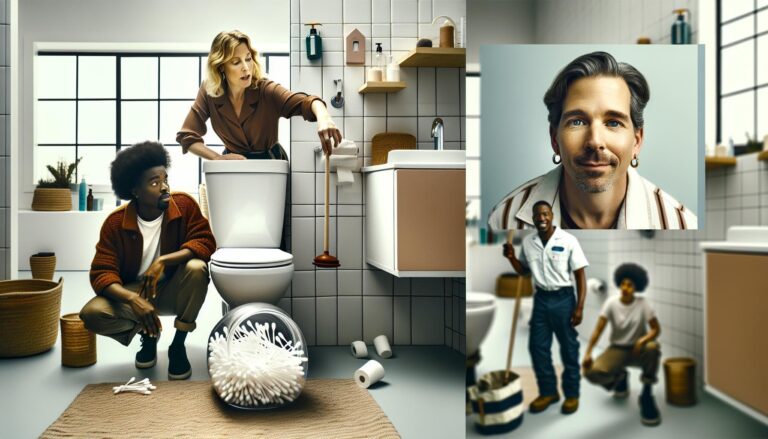
Can you flush Q-tips safely? Discover the hidden dangers of cotton swabs clogging your plumbing and learn expert tips to avoid costly bathroom disasters.