

Hiking Shoe Maintenance: How to Clean Hiking Shoes for Outdoor Adventures!
Are you an avid hiker who loves to take on outdoor adventures? If so, you understand the importance of reliable hiking shoes for a successful journey. But have you ever wondered how to properly clean and maintain your beloved hiking shoes to ensure they last longer and continue to provide optimal performance? Look no further! In this informative article, we will guide you through the necessary steps to keep your hiking shoes in top-notch condition, ready for any rugged trail that comes your way. Join us as we reveal the secrets to pristine hiking shoe maintenance, leaving you confident and knowledgeable for your next unforgettable outdoor escapade. Get ready to embark on this exciting journey with us – let’s dive into the world of hiking shoe maintenance together!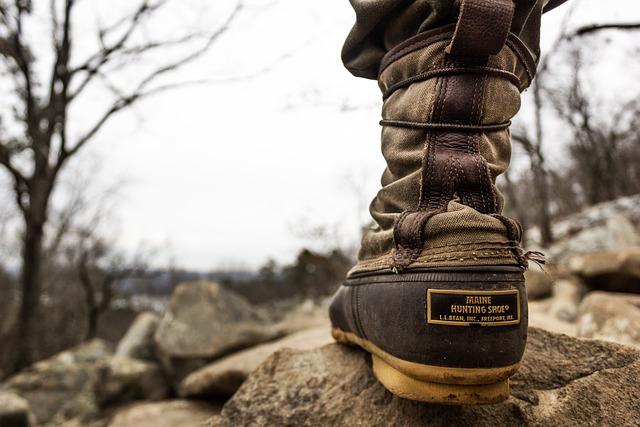
Heading 3: Essential Tips for Properly Drying and Storing Hiking Shoes to Prevent Mold and Odor
Properly drying and storing your hiking shoes is essential to prevent mold and odor, ensuring they are ready for your next outdoor adventure. Neglecting this crucial maintenance step can lead to discomfort and even the deterioration of your beloved hiking footwear. Follow these essential tips to keep your hiking shoes in top-notch condition:
Clean Thoroughly: Before even thinking about drying and storing your hiking shoes, it is crucial to give them a thorough cleaning. Start by removing any loose dirt or debris using a soft brush or cloth. For stubborn dirt or stains, you can use a mild detergent and warm water to gently scrub the affected areas. Make sure to rinse off all the soap and allow the shoes to fully dry before proceeding to the next step.
Air Dry: The key to preventing mold and odor is ensuring your hiking shoes are completely dry. After cleaning them, remove the insoles and laces and open up the shoes as much as possible. Find a well-ventilated area and place them in a cool, dry spot away from direct sunlight or heat sources. Let them air dry naturally for at least 24 hours or until they no longer feel damp to touch.
Stuff and Shape: While your hiking shoes are drying, you can stuff them with crumpled newspaper or shoe inserts to help maintain their shape. This will also absorb any remaining moisture and speed up the drying process. Avoid using colored or printed newspaper, as the ink may transfer onto your shoes.
- Store Properly: Once your hiking shoes are completely dry, it’s time to store them properly. Find a cool, dry place away from excessive heat or humidity. Consider investing in shoe storage solutions such as shoe racks or breathable storage bags to keep them in good condition. If you have multiple pairs, avoid stacking them on top of each other, as this can cause misshaping and deformation. Instead, store them side by side, allowing enough space for air circulation.
By following these essential tips, you can ensure your hiking shoes remain fresh and odor-free, ready for your next outdoor adventure! Remember, proper maintenance is the key to extending the lifespan of your footwear and ensuring optimal performance on the trails. Happy hiking!
Heading 4: Choosing the Right Cleaning Products: Best Practices for Maintaining the Longevity of Your Hiking Shoes
Choosing the Right Cleaning Products: Best Practices for Maintaining the Longevity of Your Hiking Shoes
Keeping your hiking shoes clean and well-maintained is essential for ensuring they last through all your outdoor adventures. The right cleaning products and practices can make all the difference in prolonging the life of your hiking shoes. Here are some best practices to follow:
- Use a gentle brush or cloth: When cleaning your hiking shoes, it’s important to use a brush or cloth that won’t damage the material. Opt for a soft-bristled brush or a microfiber cloth to gently remove dirt and debris from the surface.
- Avoid harsh chemicals: Harsh cleaning chemicals can deteriorate the materials of your hiking shoes. Instead, opt for mild soap or a specialized shoe cleaner that is designed to be gentle on outdoor footwear. Always check the label to ensure the cleaner is safe to use on your specific shoe material.
- Dry shoes properly: After cleaning, it’s crucial to dry your hiking shoes correctly to prevent mold or mildew growth. Avoid using direct heat sources like radiators or heaters, as they can damage the shoe material. Instead, stuff your shoes with newspaper or use a shoe tree to absorb moisture and allow them to air dry naturally.
- Treat with water repellent: To enhance the longevity of your hiking shoes, consider using a water repellent spray. This will help protect the material from moisture and stains, keeping your shoes in pristine condition for longer.
By following these best practices for cleaning and maintaining your hiking shoes, you can ensure they remain durable and ready for your next outdoor adventure. Remember, a little bit of regular care can go a long way in preserving the longevity of your trusted hiking companions.
Heading 6: How to Extend the Lifespan of Your Hiking Shoes: Simple Maintenance Routines and Preventative Measures
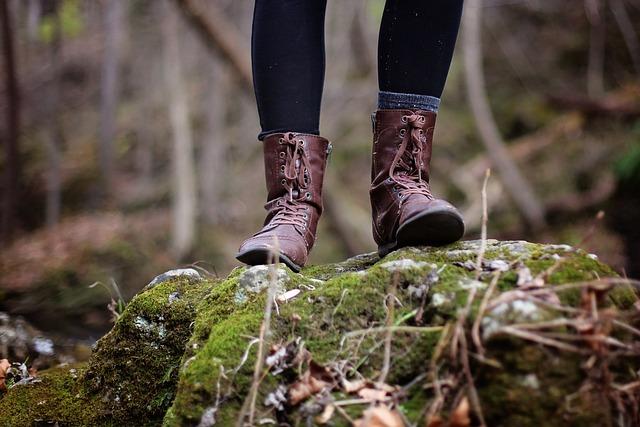
Maintaining the lifespan of your hiking shoes is vital to ensure they withstand the rugged terrains and inclement weather conditions you’ll encounter on your outdoor adventures. By following simple maintenance routines and preventative measures, you can keep your hiking shoes in top shape and ready for your next hike.
Cleaning your hiking shoes is an essential step in their maintenance. Remove any debris or dirt from the outsoles by using a soft brush or a toothbrush. If your shoes are muddy, rinse them off with water before scrubbing. Avoid using harsh chemicals as they can damage the shoe material. For tougher stains, use a mild soap solution and gently scrub the affected areas. Remember to dry your shoes properly before storage to prevent odor and mold growth.
Regularly inspect your hiking shoes for any signs of wear and tear. Check the outsoles for any worn-down treads or damage. If necessary, repair or replace the outsoles to maintain traction and stability on the trails. Additionally, examine the shoe upper for any holes or loose seams. Use a waterproofing spray to enhance the water-resistance of your shoes and protect the materials from moisture damage.
To extend the lifespan of your hiking shoes, it’s important to properly store them when not in use. Avoid leaving them in damp or hot areas as this can cause them to deteriorate quickly. Instead, store your shoes in a cool, dry place with good airflow. Stuff them with crumpled newspaper to maintain their shape and absorb any moisture. Remember to loosen the laces and untie any knots to prevent pressure points and stretching.
By following these simple maintenance routines and preventative measures, you can prolong the lifespan of your hiking shoes and ensure they provide optimal performance and comfort during your outdoor adventures. So, don’t neglect your hiking shoes – give them the care they deserve and they’ll accompany you on countless memorable hikes.
Heading 7: Ensuring Proper Waterproofing: Reliable Methods to Preserve the Water Repellency of Hiking Shoes
Proper waterproofing is crucial for preserving the water repellency of your hiking shoes and ensuring they are ready for any outdoor adventure. Without it, your shoes could become saturated and uncomfortable, leading to blisters and potential foot problems. In this post, we will explore some reliable methods to maintain the water repellency of your hiking shoes and keep them performing at their best.
1. Cleaning your shoes:
Regularly cleaning your hiking shoes is essential for maintaining their waterproofing capabilities. Use a gentle soap or cleaner specifically designed for footwear, and avoid harsh chemicals that could strip away the water-repellent coating. Gently scrub the shoes with a soft brush or cloth, paying special attention to any areas with dirt or stains. Rinse thoroughly and let them air dry.
2. Applying a waterproofing spray:
After cleaning your shoes, it is recommended to apply a waterproofing spray. Look for a spray that is suitable for the material of your shoes, such as leather, synthetic, or fabric. Follow the manufacturer’s instructions and evenly apply the spray to the entire surface of your shoes. Be sure to target areas that are more prone to getting wet, such as the toe box and seams. Allow the spray to dry completely before wearing your shoes.
3. Reapplying waterproofing treatment:
Over time and with regular use, the water repellency of your hiking shoes may start to diminish. It is therefore important to periodically reapply a waterproofing treatment. This can be in the form of a spray or a wax-based product. Follow the product instructions for application, ensuring that every inch of your shoes is covered. This will help to maintain their water repellency and extend their lifespan.
By following these reliable methods for ensuring proper waterproofing, you can preserve the water repellency of your hiking shoes and be ready for any outdoor adventure. Remember, regular cleaning and maintenance are key to keeping your shoes in top condition. So, take the time to care for them properly, and they will continue to protect your feet and provide comfort on all your hiking expeditions.
Heading 8: Inspecting and Maintaining Shoe Soles: Expert Advice for Ensuring Optimal Traction on Every Hike
Inspecting and maintaining shoe soles is essential for maintaining optimal traction on every hike. A well-maintained sole can make all the difference between a safe and enjoyable outdoor adventure and a slippery, uncomfortable trek. Here are some expert tips on how to clean hiking shoes and ensure they are always ready for your next adventure.
Cleaning your hiking shoes regularly is the first step to maintaining their traction. Start by removing any loose dirt or debris from the soles using a soft brush or cloth. Next, fill a basin with warm water and add a mild detergent or shoe cleaner. Gently scrub the soles using a brush, paying close attention to the treads. Rinse the shoes thoroughly with clean water and pat dry with a towel. Avoid using harsh chemicals or scrubbing too vigorously, as this can damage the soles.
Once your shoes are clean, it’s important to inspect them for any signs of wear and tear. Look for any uneven wear patterns, cracks, or separation between the sole and the shoe. If you notice any issues, it’s best to replace your shoes or take them to a professional for repairs. Proper maintenance can extend the life of your hiking shoes and ensure they continue to provide the necessary traction on various terrains.
In addition to regular cleaning, treating your shoe soles with a waterproofing spray can enhance their traction and protect them from moisture. This is particularly important if you frequently hike in wet or muddy conditions. Apply the waterproofing spray evenly on the soles, following the instructions on the product. Allow the spray to dry completely before wearing your shoes again. This simple step can make a big difference in preventing slips and falls on slippery surfaces.
Remember, proper traction on your hiking shoes is crucial for your safety and comfort while exploring the great outdoors. By regularly inspecting and maintaining your shoe soles, you can ensure that your next hiking adventure is enjoyable and worry-free. So, take the time to clean, inspect, and treat your shoe soles, and you’ll be ready to conquer any trail with confidence!
Heading 9: Avoiding Common Pitfalls: Mistakes to Watch Out for When Cleaning and Maintaining Your Hiking Shoes
Cleaning and maintaining your hiking shoes is essential for extending their lifespan and ensuring maximum comfort and performance on your outdoor adventures. However, there are several common pitfalls that hikers often fall into when it comes to caring for their hiking shoes. By avoiding these mistakes, you can keep your footwear in top-notch condition and ready for any terrain.
1. Using the wrong cleaning products: One of the most common mistakes hikers make is using harsh cleansers or detergents on their hiking shoes. These products can strip away the shoe’s natural oils and protection, leading to quicker deterioration. Instead, opt for a mild soap or specialized hiking shoe cleaner to remove dirt and grime without damaging the materials.
2. Neglecting to dry properly: After a long hike or a wet adventure, it’s crucial to allow your hiking shoes to dry thoroughly before storing them. Many hikers make the mistake of placing their shoes near a direct heat source, such as a radiator or campfire. This can cause the materials to warp, crack, or even melt. Instead, air dry your shoes in a cool, well-ventilated area to allow moisture to evaporate naturally.
3. Overlooking the importance of waterproofing: Hiking shoes are often exposed to moisture, whether it’s from rain, puddles, or snowy conditions. Ignoring the need for waterproofing can result in wet and uncomfortable feet during your hikes. To avoid this pitfall, regularly apply a waterproofing spray or wax to your shoes. This will create a protective barrier that repels water, keeping your feet dry and your shoes in excellent condition.
4. Failing to inspect and repair: Another common mistake is neglecting to regularly inspect your hiking shoes for any signs of damage. Small rips, loose stitches, or worn-out soles can lead to discomfort, blisters, and even accidents on the trails. Make it a habit to inspect your shoes after each hike and address any issues promptly. Whether it’s re-gluing detached soles, patching small holes, or replacing worn-out laces, taking care of these repairs will prolong the life of your hiking shoes.
By avoiding these common pitfalls and following proper cleaning and maintenance techniques, you can ensure that your hiking shoes are always in excellent shape and ready for your next outdoor adventure. Take the time to care for your footwear, and they will reward you with comfort, durability, and countless memorable journeys. So, lace up and hit the trails with confidence, knowing that your hiking shoes are well looked after.
Heading 10: Expert Recommendations for Repairing and Resoling Hiking Shoes to Maximize their Usability and Comfort
There’s nothing quite like hitting the trails and exploring the great outdoors. But if your hiking shoes aren’t up to par, you may find yourself in uncomfortable and even dangerous situations. That’s why it’s essential to properly maintain and care for your hiking shoes, so they can continue to provide you with the support, durability, and comfort you need on your outdoor adventures. In this post, we will be focusing on expert recommendations for repairing and resoling hiking shoes to maximize their usability and comfort.
1. Regular Inspections: Regularly inspect your hiking shoes for any signs of wear and tear. Check the soles for any cracks, signs of separation, or excessive wear. Look for any loose or damaged stitching. Examine the uppers for any rips, tears, or weakened areas. Catching these issues early on can prevent further damage and extend the lifespan of your hiking shoes.
2. Cleaning: After every hike, take the time to clean your hiking shoes thoroughly. Remove any dirt, mud, or debris from the outsoles and uppers using a soft brush or cloth. For stubborn stains, use mild soap or a specialized hiking shoe cleaner. Avoid using harsh chemicals or abrasive brushes that could damage the materials. Allow your shoes to air dry naturally before storing them.
3. Resoling: When the soles of your hiking shoes start to wear down, it’s time for a resoling. A professional cobbler can expertly replace the worn-out soles with new ones, restoring the grip and traction of your shoes. Consider opting for Vibram soles, renowned for their durability and performance on various terrains. Resoling can significantly extend the life of your hiking shoes and save you money in the long run.
4. DIY Repairs: While some repairs are best left to the professionals, there are simple fixes you can do yourself. For example, if the stitching on your hiking shoes is coming loose, you can re-stitch it using a strong nylon thread and a repair needle. In case of minor tears or cuts, apply a specialized shoe adhesive or fabric glue to seal them. However, keep in mind that major repairs, such as replacing the entire upper, should be done by professionals to ensure the integrity and safety of your shoes.
By following these expert recommendations for repairing and resoling your hiking shoes, you can maximize their usability and comfort, allowing you to confidently tackle any trail that comes your way. Remember, investing a little time and effort into maintaining your hiking shoes will go a long way in protecting your feet and enhancing your outdoor adventures. So, lace up those boots and hit the trails with confidence!
To Wrap It Up
In conclusion, maintaining your hiking shoes is crucial for maximizing their lifespan and keeping your outdoor adventures enjoyable and safe. By following these simple steps, you can effectively clean your hiking shoes and keep them in excellent condition:
1. Remove excess dirt and debris before cleaning.
2. Use a mild detergent and a soft brush to clean the outside of the shoes.
3. Pay attention to the soles and tread patterns, ensuring they are free from debris.
4. Allow your shoes to air dry naturally; avoid direct heat sources as they can damage the materials.
5. Condition your shoes periodically to keep the leather or synthetic materials nourished and supple.
6. Store your shoes in a dry, well-ventilated area to prevent mold and odor buildup.
Remember, proper hiking shoe maintenance not only prolongs their life but also enhances performance and keeps feet comfortable. By taking care of your shoes, you’ll be ready for any outdoor adventure that comes your way.
Get our latest guides, news, and insights highlighted in your Google Search & AI Overviews.


