Why Does My Washing Machine Smell Like a Sewer? Odor Troubleshooting
Have you ever walked into your laundry room only to be hit with a foul odor resembling that of a sewer? If so, you’re not alone. Many people have experienced the unpleasant stench emanating from their washing machines, and the question on everyone’s mind is: why? In this article, we’re going to dive into the depths of this smelly mystery and provide you with some expert insights on odor troubleshooting. Get ready to bid farewell to that unpleasant aroma and say hello to fresh and clean laundry days!
Common Causes of Sewer Odor in Washing Machines
When your washing machine starts emitting a sewer-like odor, it can be quite unpleasant and disruptive. There are several common causes for this issue, and understanding them can help you troubleshoot and resolve the problem.
Clogged or Blocked Drain Hose: One of the main culprits behind the foul smell could be a clogged or blocked drain hose. Over time, debris such as lint, hair, or soap scum can build up in the hose, restricting the flow of water and causing it to stagnate. This stagnant water can then develop a strong odor reminiscent of sewage. To address this, disconnect the drain hose and thoroughly clean it to remove any blockages.
Inadequate Venting System: Another reason your washing machine might release a sewer-like smell is an inadequate venting system. A properly functioning vent allows air to circulate through the plumbing system, preventing sewer gases from escaping into your home. However, if the vent is clogged or improperly installed, these gases can build up and find their way into your washing machine, resulting in the unpleasant odor. It may be necessary to hire a professional plumber to inspect and address any issues with your venting system.
Sewer Line Problems: Occasionally, the source of the odor may not be directly related to your washing machine, but rather a problem within the sewer line. Sewer line issues, such as blockages or leaks, can cause unpleasant odors to travel back up the pipes and into your washing machine. If you suspect a problem with your sewer line, it is important to contact a plumber to assess and fix the issue, as it could have broader implications for your home’s plumbing system.
| Solutions | |
| Clogged or Blocked Drain Hose | Clean the drain hose thoroughly to remove any blockages. |
| Inadequate Venting System | Hire a professional plumber to inspect and address venting system issues. |
| Sewer Line Problems | Contact a plumber to assess and fix any sewer line issues. |
No one wants their washing machine to smell like a sewer. By identifying and addressing the common causes discussed above, you can banish those unpleasant odors and restore a fresh, clean scent to your laundry routine.

Understanding the Role of Bacteria in Sewer Odor
Have you ever noticed a foul odor coming from your washing machine that resembles the smell of a sewer? It can be a real nuisance, leaving your clothes and entire laundry room smelling unpleasant. can help you troubleshoot and eliminate this pesky problem.
1. Bacteria buildup: Over time, organic matter such as lint, hair, and soap scum can accumulate in the hidden nooks and crannies of your washing machine. This becomes a breeding ground for bacteria. These microorganisms release gases that produce the unpleasant odor resembling a sewer smell. Regular cleaning and maintenance can prevent this buildup and keep your washing machine smelling fresh.
2. Sewer line connection: Sometimes, the issue may not stem from the washing machine itself but rather from the sewer line connection. If the washing machine is not properly connected or the drain hose is not positioned correctly, sewer gases can travel back into your laundry area. Ensuring a secure connection and proper drainage can help eliminate this source of odor.
3. Lack of ventilation: Adequate ventilation is crucial for preventing sewer odors. If your laundry room doesn’t have proper airflow, the stagnant air can trap the foul smells. Installing a vent or keeping a window open while doing laundry can help create airflow and dissipate any unpleasant odors in the room.
4. Bacteria-fighting solutions: If you’ve tried the above steps and the sewer odor still persists, there are specialized cleaning solutions available in the market. These products contain enzymes that can effectively break down and remove the organic matter, preventing bacterial growth and eliminating the source of the odor. Read the instructions carefully and use them as directed for the best results.
By , you can take proactive measures to keep your washing machine smelling fresh, and say goodbye to that pesky sewer smell in your laundry room!

Effective Cleaning Techniques for Eliminating Sewer Odor in Washing Machines
Dealing with a washing machine that smells like a sewer can be an unpleasant and frustrating experience. Not only does it create an unpleasant odor in your laundry room, but it can also leave your clothes smelling less than fresh after they’ve been washed. However, with the right cleaning techniques, you can eliminate this sewer odor and restore your washing machine to its clean and fresh condition.
To effectively tackle the odor in your washing machine, there are a few key steps you can follow:
1. Clean the interior of the machine
Start by cleaning the interior of your washing machine. Remove any visible dirt or debris and wipe down the drum with a damp cloth. Next, mix a solution of equal parts vinegar and water and run a hot water cycle with this mixture. Vinegar is a natural deodorizer and will help eliminate any lingering sewer odor.
2. Clear the drain pump filter
A clogged or dirty drain pump filter can contribute to the sewer smell in your washing machine. Locate the filter (usually at the front or bottom of the machine) and remove any trapped lint, hair, or debris. Rinse the filter thoroughly under running water and then replace it back into the machine. Regularly cleaning the drain pump filter will not only eliminate odor but also improve the overall performance of your washing machine.
3. Check the drainage system
Ensure that your washing machine’s drainage system is functioning properly. Check for any obstructions in the drain hose and remove them if necessary. Additionally, make sure the hose is securely and tightly connected to the drainage pipe. If there are any leaks or loose connections, it can lead to sewer odors. Fixing these issues will help prevent future odor problems.
4. Regular maintenance
Prevention is always better than a cure, so establish a regular maintenance routine for your washing machine. This includes cleaning the drum and detergent dispenser regularly, leaving the door open after each cycle to allow the interior to dry, and using specially designed washing machine cleaning tablets every few months. These maintenance tasks will keep your washing machine odor-free and running efficiently.
By following these effective cleaning techniques, you can say goodbye to the sewer odor in your washing machine. Remember to perform regular maintenance and address any issues promptly to ensure a fresh and clean laundry experience every time.

Preventive Maintenance Tips to Avoid Sewer Odor Buildup in Your Washing Machine
Having a washing machine that smells like a sewer can be a frustrating and unpleasant experience. The odor can not only make doing laundry a dreadful task, but it can also permeate your entire home. Fortunately, there are preventive maintenance tips that can help you avoid sewer odor buildup in your washing machine, keeping it fresh and clean.
1. Clean the Washing Machine Regularly
One of the main causes of sewer odor in a washing machine is bacteria and mold growth. To prevent this, it is important to clean your washing machine regularly. Here’s how:
- Mix equal parts of water and white vinegar.
- Pour the mixture into the detergent dispenser or directly into the drum.
- Run a regular cycle with hot water.
- Wipe the inside of the machine, including the door seal, with a clean cloth.
2. Check the Drain Hose
If your washing machine smells like a sewer, it could be due to a clogged or improperly installed drain hose. Here’s what you can do:
- Inspect the drain hose for any blockages or kinks.
- If there is a blockage, remove it with a plumber’s snake or a wire hanger.
- Ensure that the drain hose is installed at the correct height and angle to allow proper drainage.
3. Use High-Quality Detergent
Using low-quality detergent or too much detergent can contribute to sewer odor buildup in your washing machine. It is important to use a high-quality detergent and follow the manufacturer’s instructions for the correct dosage. Additionally, consider using detergents that are specifically designed to eliminate odors.
By following these preventive maintenance tips, you can avoid sewer odor buildup in your washing machine and enjoy fresh-smelling laundry every time.

Signs of a Damaged Drain Hose and How It Can Cause Sewer Odor
If you’ve noticed a foul sewer odor coming from your washing machine, the culprit could be a damaged drain hose. A drain hose carries wastewater from the machine to the sewer or septic system. When this hose becomes damaged, it can lead to a variety of issues, including the unpleasant smell you’re experiencing.
Here are some signs that your drain hose may be damaged:
- Leaks: If you spot any water pooling around your machine or beneath it, it could be a result of a crack or hole in the drain hose.
- Visible wear and tear: Inspect the hose visually to see if there are any signs of damage, such as cracks, splits, or bulges.
- Improper fit: If the drain hose is not securely attached to the machine or the drain outlet, it can cause leaks and allow sewer odor to escape.
When the drain hose is damaged, it creates a prime opportunity for sewer odor to permeate your washing machine and your home. As wastewater flows through the damaged areas, bacteria and organic matter can become trapped, leading to the production of foul-smelling gases. These gases can then be released into the air, causing the unpleasant sewer odor you detect.
If you suspect a damaged drain hose is the cause of the sewer smell in your washing machine, it’s important to address the issue promptly. You can troubleshoot the problem by inspecting the hose for visible damage and ensuring it is securely connected. If you identify any issues, consider replacing the drain hose or seeking professional help from a plumber.
The Importance of Proper Ventilation to Reduce Sewer Odor in Washing Machines
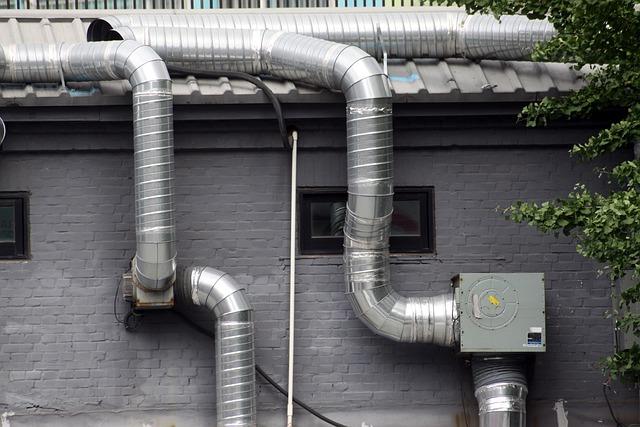
Proper ventilation is crucial to prevent that unpleasant sewer odor permeating from your washing machine. While it may seem baffling, the cause of this odor can often be traced back to a build-up of bacteria and mold within the machine due to lack of airflow. Here, we will delve into the ins and outs of this problem, offering troubleshooting tips to help you banish the unpleasant smell for good.
One of the main culprits behind the sewer-like odor is a clogged or improperly installed drain hose. This can cause water to accumulate in the hose, creating the perfect environment for bacterial growth. To address this issue, start by checking that the drain hose is not bent or kinked. Additionally, make sure that it is properly inserted into the drainage pipe, allowing water to flow freely. Clear any obstructions or debris that may be causing a blockage, using a pipe cleaner or gentle flushing if necessary.
Another factor to consider is the washing machine’s internal ventilation system. Over time, lint, soap residue, and dirt can accumulate in the machine’s filter and vents, hindering proper airflow and promoting the growth of odor-causing bacteria. Regularly cleaning these components is essential to maintain proper ventilation and prevent the unpleasant smell. Consult your machine’s user manual for instructions on how to locate and clean the filter. Remember to remove any trapped debris and rinse the filter thoroughly before reinserting it back into the machine.
In addition to addressing the physical components of your washing machine, there are a few simple adjustments you can make to your laundry routine to minimize odor. First, avoid overloading the machine, as this can limit water flow and inhibit the machine’s ability to rinse away dirt effectively. Secondly, opt for warm or hot water cycles when possible, as higher temperatures can help kill odor-causing bacteria. Lastly, consider using a laundry sanitizer or vinegar during the wash cycle, as they can act as natural deodorizers and disinfectants.
By following these troubleshooting tips and maintaining proper ventilation, you can bid farewell to the sewer-like smell emanating from your washing machine. Remember, a little regular maintenance and attention to this often overlooked aspect of laundry can go a long way in ensuring that your clothes smell clean and fresh with every wash.
How to Check for Sewer Blockages and Eliminate Persistent Odor Issues
If your washing machine is giving off a foul sewer-like smell, you’re not alone. This unpleasant odor can be caused by various factors, but the most common culprit is a sewer blockage. Not only can this create an uncomfortable environment in your laundry room, but it can also affect the cleanliness of your clothes. In this post, we will guide you through the process of checking for sewer blockages and eliminating persistent odor issues, so you can enjoy fresh-smelling laundry once again.
1. **Inspect the drain hose**: Start by examining the drain hose of your washing machine. Look for any kinks or bends that may be obstructing the flow of water. It’s important to ensure that the hose is securely connected to your plumbing system. If you spot any issues, resolve them accordingly.
2. **Check the drain trap**: The next step is to locate and inspect the drain trap, which is typically found near the base of your washing machine. This trap collects debris and prevents it from entering your plumbing system. Remove any accumulated gunk or residue that might be causing the odor. If the trap is damaged or heavily clogged, consider replacing it.
3. **Clean the washing machine drum**: Over time, detergent residue, lint, and other particles can accumulate inside the drum of your machine, contributing to the unpleasant smell. Run a cycle with hot water and a cup of white vinegar to thoroughly clean the drum. You can also add half a cup of baking soda for additional odor-fighting power. Remember to wipe down the door seal and any other accessible parts to eliminate any hidden sources of odor.
4. **Seek professional help**: If you’ve followed the above steps and the odor persists, it’s advisable to reach out to a professional plumber or drain cleaning service. They have the expertise and specialized equipment to identify and resolve more complex sewer blockages. Don’t hesitate to seek their assistance to ensure a thorough and long-lasting solution to your odor troubles.
Remember, regular maintenance and proper usage of your washing machine can help prevent sewer blockages and the resulting odor issues. By incorporating these simple steps into your laundry routine, you can say goodbye to that unpleasant sewer-like smell and enjoy fresh and clean clothes once again.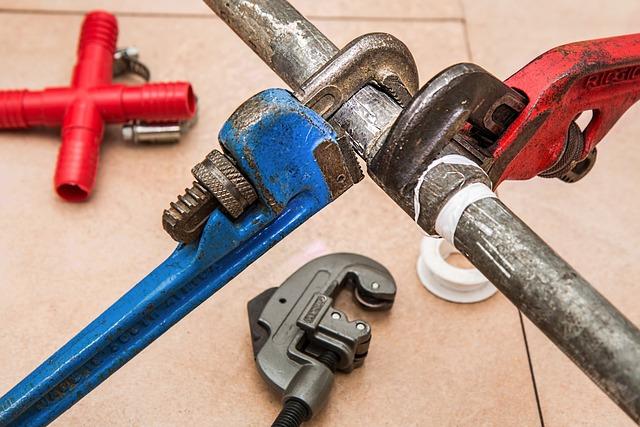
Identifying and Fixing Plumbing Issues that Lead to Sewer Odor in Washing Machines
Are you experiencing a foul odor coming from your washing machine that resembles the smell of a sewer? Don’t worry, you’re not alone. This unpleasant sewage-like smell can be quite distressing, but fortunately, it is usually caused by fixable plumbing issues. In this post, we will explore the common plumbing problems that lead to sewer odors in washing machines and share some effective troubleshooting solutions.
The first culprit to examine is the drain trap. A drain trap is a U-shaped pipe that prevents sewer gases and odors from escaping into your home. Over time, this trap can become clogged with debris, causing odors to back up into your washing machine. Inspect the drain trap and clean it thoroughly, removing any accumulated grime or build-up that may be causing the unpleasant smell.
Another potential cause of sewer odor is a faulty or improperly installed vent system. The vent system plays a crucial role in allowing air to flow through the plumbing system and equalize pressure. If the vent is blocked or not properly functioning, sewer gases can get trapped and find their way into your washing machine. Check the vent system for any obstructions or damage, and consider calling in a professional plumber to assess and fix the issue if needed.
Lastly, a common mistake that homeowners make is neglecting to clean their washing machine regularly. Over time, detergent residue, lint, and other organic matter can accumulate inside the machine, creating a breeding ground for bacteria and mold. These microorganisms can release foul-smelling gases, leading to the sewer-like odor. To combat this, run an empty cycle with hot water and vinegar or a specialized washing machine cleaner every few months. Additionally, always remember to leave the machine door open after each use to allow for proper ventilation and drying.

Natural Remedies and Cleaning Products to Combat Sewer Odor in Your Washing Machine
Have you noticed an unpleasant sewer-like smell emanating from your washing machine? Don’t worry, you’re not alone. Many homeowners experience this issue, and it can be quite frustrating. But fear not, there are natural remedies and cleaning products that can help combat sewer odor in your washing machine.
Firstly, it’s important to understand why your washing machine may smell like a sewer. One common culprit is a build-up of dirt, grime, and detergent residue in the drum and hoses. Over time, these substances can start to emit an unpleasant odor. Another possible cause is a clogged or blocked drainage system, which can result in sewer gases seeping back into the machine.
So, how can you tackle this issue?
- Cleaning the drum and hoses: Start by running a hot water cycle with a cup of white vinegar. Vinegar is known for its deodorizing properties and can help eliminate the sewer odor. Additionally, you can sprinkle baking soda into the drum and let it sit for a few hours before running another hot water cycle. This will help neutralize any remaining odors.
- Checking the drainage system: Ensure that the drainage system is clear of any blockages or clogs. Remove and clean the lint filter regularly. Additionally, you can use a plumber’s snake or a wire hanger to clear out any debris or build-up in the drainage pipe.
- Using natural cleaning products: Instead of using harsh chemical cleaners, opt for natural alternatives. You can make a DIY cleaning solution by combining equal parts of water and lemon juice. Lemon has natural antibacterial properties and can help eliminate odor-causing bacteria. Simply spray the solution inside the machine and wipe it clean with a cloth.
By following these natural remedies and using the right cleaning products, you can effectively combat sewer odor in your washing machine. Remember to perform regular maintenance and cleaning to prevent the issue from recurring. If the problem persists, it’s advisable to contact a professional technician to inspect your machine and address any underlying issues.
When to Call a Professional Plumber to Diagnose and Resolve Sewer Odor Problems
If your washing machine has been emitting a foul sewer odor, chances are you’re not only dealing with an unpleasant smell but also possible plumbing issues. It’s essential to address this problem promptly to prevent further damage and maintain a clean and hygienic home environment. While some odor problems can be resolved with simple DIY solutions, there are instances where it’s best to call in a professional plumber to diagnose and resolve the issue.
Here are some signs that indicate you should consider contacting a professional plumber:
- Persistent odor: If the sewage smell from your washing machine persists, even after you’ve attempted to eliminate it with household remedies, it’s a clear indication of a deeper problem that requires professional attention. A plumber can assess the situation thoroughly and provide the necessary solutions.
- Clogged or slow drains: If you notice that your drains are slow-moving or frequently clogged, it could be a sign of a blockage in your sewer line. A professional plumber can use specialized tools and techniques to locate and remove the obstruction, eliminating the odor problem in the process.
- Visible leaks or water damage: If you discover any visible leaks or water damage near your washing machine or in the surrounding area, it’s crucial to seek professional assistance immediately. Leaks can lead to mold growth and further damage to your plumbing system, exacerbating the sewer odor issue.
In conclusion, addressing sewer odor problems in your washing machine is crucial for maintaining a clean and healthy home. While minor issues can often be resolved with DIY remedies, persistent odors, clogged drains, and visible leaks or water damage indicate the need for professional expertise. By calling in a professional plumber, you can ensure an accurate diagnosis and effective resolution of the issue, ultimately restoring a fresh scent and optimal functionality to your washing machine.
To Wrap It Up
In conclusion, taking care of your washing machine’s odor is important not only for a fresher laundry experience but also for the longevity of your appliance. By following these key steps, you can easily troubleshoot and overcome any sewer-like smells emanating from your washing machine.
Firstly, make sure to clean your machine regularly, including the detergent drawer, rubber seal, and filter. This will prevent the build-up of dirt, grime, and mildew that can lead to unpleasant odors.
Secondly, maintain good washing habits by using the correct amount of detergent, avoiding overfilling the machine, and running regular hot wash cycles. This will minimize the growth of bacteria and mold, which are often the culprits behind that sewer-like smell.
Additionally, keep your laundry area well-ventilated to prevent moisture accumulation that can contribute to odors. If possible, leave the washing machine door open when not in use to allow better air circulation and drying.
Lastly, if you’ve followed these steps and the odor persists, it may be worth checking your plumbing system for any potential issues. A professional plumber can help identify any underlying problems that may be causing the sewer-like smell.
By addressing these key factors, you can ensure a fresh and pleasant laundry experience every time. Don’t let unpleasant odors linger in your washing machine, take action today and say goodbye to that sewer smell for good.