

What Do Dry Cleaners Do to Clothes? Learn About Their Garment Care Processes!
Have you ever wondered what happens to your clothes when you drop them off at the dry cleaners? In this article, we will take you behind the scenes to explore the garment care processes that dry cleaners use to ensure your clothes come back looking fresh and clean. From inspection to cleaning to pressing, we’ll reveal the steps involved in caring for your garments. Join us as we uncover the secrets of the dry cleaning world!
Introduction to Dry Cleaning Techniques
Dry cleaners utilize specialized techniques to clean garments without using water. The process involves using solvents instead of traditional washing methods to remove stains and odors. Here’s a glimpse of what goes on behind the scenes at a dry cleaning facility:
Inspection: Before the cleaning process begins, each garment is carefully inspected for any stains or damages that may require special attention.
Spot Treatment: Stains are pre-treated with specific solvents to help break down the residue before the garment is cleaned.
Cleaning: The garments are placed in a machine that circulates a solvent, effectively removing dirt and stains without damaging the fabric.
Pressing: Once cleaned, the garments are steam pressed to remove wrinkles and ensure a fresh look.
Overall, dry cleaning techniques are designed to help prolong the lifespan of your clothes while keeping them looking their best. So, next time you drop off your garments at the dry cleaners, you can rest assured that they are in good hands!
Understanding the Dry Cleaning Solvent
Dry cleaners use a variety of garment care processes to ensure that your clothes look fresh and clean. One important aspect of dry cleaning is the use of solvent to remove dirt and stains from fabrics. is crucial in knowing how your clothes are being treated.
There are different types of solvents used in dry cleaning, with perchloroethylene (perc) being one of the most common. Perc is a chemical solvent that effectively dissolves grease and oils from clothing without causing damage to the fabric. It is important to note that perc is a volatile organic compound (VOC), which can be harmful to the environment if not properly handled.
Aside from perc, some dry cleaners also use hydrocarbon and silicone-based solvents as alternatives for a more eco-friendly approach. These solvents are safer for the environment and are less harsh on delicate fabrics. It’s always a good idea to ask your dry cleaner about the type of solvent they use and if they offer eco-friendly options.
In summary, is essential in knowing how your clothes are being cleaned and cared for. By being informed about the different types of solvents used in dry cleaning, you can make more environmentally conscious choices when it comes to caring for your garments.
The Process of Spot Treating Stains
When it comes to spot treating stains on clothes, dry cleaners follow a meticulous process to ensure the best results. Here’s a breakdown of what they do:
- Identification: The first step is to identify the type of stain and the fabric of the garment to determine the appropriate treatment method.
- Pre-treatment: Dry cleaners often pre-treat stains with specialized solutions to help break down the stain before cleaning the garment.
- Spot cleaning: Using gentle techniques, dry cleaners carefully spot treat the stains on the garment to avoid damaging the fabric.
- Rinsing: Once the stain has been treated, the garment is rinsed to remove any remaining residue.

The Gentle Cleaning Process
used by dry cleaners involves a variety of techniques to ensure that your garments are treated with care and attention to detail. One of the first steps in the process is pre-treating any stains on the fabric. This helps to loosen the stain and prepare it for removal during the cleaning process.
After pre-treatment, your garments are placed in a specialized cleaning solution that is gentle on delicate fabrics but tough on dirt and grime. This cleaning solution helps to lift dirt and stains from the fabric without causing damage or fading.
Once the cleaning process is complete, your garments are carefully pressed and steamed to remove any wrinkles and give them a polished look. Finally, your clothes are inspected for any remaining stains or imperfections before being packaged and ready for pick-up.
Trust in the expertise of dry cleaners to handle your garments with care and precision, using a gentle cleaning process that will keep your clothes looking fresh and new for longer.
The Importance of Steam Pressing
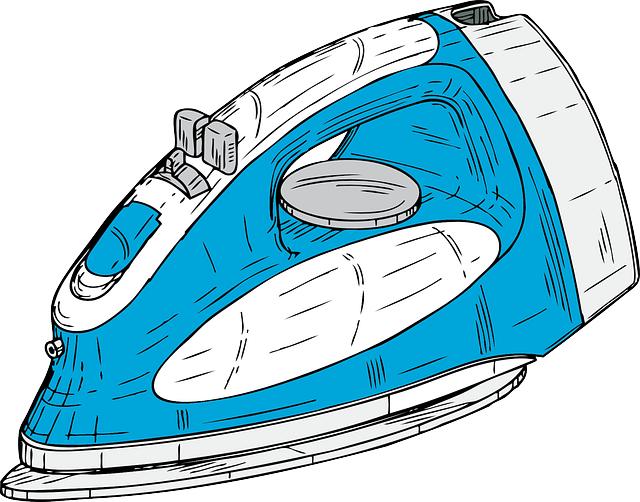
One of the key processes that dry cleaners often utilize to ensure clothing looks its best is steam pressing. This method involves using steam to remove wrinkles and shape garments to give them a crisp and polished appearance.
Importance of Steam Pressing:
– **Revives fabrics:** Steam pressing can help rejuvenate fabrics that have become dull or wrinkled, giving them a fresh and new look.
– **Removes stubborn wrinkles:** Steam can penetrate deep into the fabric, making it easier to remove stubborn wrinkles that may not come out with just traditional ironing.
– **Preserves clothing:** By using steam pressing, dry cleaners can effectively smooth out garments without causing damage, helping to extend the life of the clothing.
– **Professional finish:** Steam pressing provides a professional finish to clothing, leaving them looking like new and ready to wear.
| Benefits of Steam Pressing: |
|---|
| Revives fabrics |
| Removes stubborn wrinkles |
| Preserves clothing |
| Professional finish |
Overall, steam pressing plays a vital role in the garment care process, helping to ensure that clothing looks its best and lasts longer. So, next time you send your clothes to the dry cleaner, rest assured that they will use steam pressing to give your garments the care and attention they deserve.

Precautions Taken During Dry Cleaning
When it comes to dry cleaning, there are several precautions taken to ensure that your garments are cleaned effectively while maintaining their quality. Here are some of the key steps that dry cleaners follow:
- Inspection: Dry cleaners carefully inspect each garment for stains, damage, and fabric type before beginning the cleaning process.
- Solvent Choice: The appropriate solvent is selected based on the fabric type and the nature of the stains to be removed.
- Pre-Treatment: Stubborn stains are pre-treated to ensure that they are effectively removed during the cleaning process.
- Gentle Cleaning: Garments are cleaned in a gentle cycle to prevent any damage to the fabric.
- Proper Drying: After cleaning, garments are carefully dried to avoid shrinkage or distortion.
- Finishing Touches: Finally, garments are pressed and steamed to give them a fresh and crisp look.

The Role of Inspections in Garment Care
Inspections play a crucial role in the garment care process at dry cleaners. Before any cleaning takes place, garments are thoroughly inspected for stains, tears, missing buttons, and any other damages that may need to be addressed. This step ensures that each item receives the appropriate care and attention it needs to look its best.
- Inspect for stains and other damage
- Check for missing buttons or loose seams
- Assess any special care requirements
During the inspection process, dry cleaners also look for any special care requirements that the garment may have. Whether it’s delicate fabric, beading, or embellishments, these details are taken into account to ensure that the garment is cleaned properly without causing any damage.
| Inspection Checklist | Description |
|---|---|
| Stains | Identify and treat any stains before cleaning |
| Damage | Check for tears, loose threads, or other issues |
| Special Care Requirements | Take note of any delicate fabrics or embellishments |

Specialized Techniques for Delicate Fabrics
Dry cleaners utilize specialized techniques to care for delicate fabrics, ensuring that your garments receive the attention they deserve. Some of the processes involved in handling delicate fabrics include:
- Spot Treatment: Dry cleaners carefully inspect the fabric for any stains or marks that require special treatment before proceeding with the cleaning process.
- Hand Washing: Delicate fabrics such as silk, wool, and cashmere may require hand washing to prevent damage from harsh chemicals or rough agitation.
- Steam Pressing: To avoid damaging delicate fabrics with high heat, dry cleaners may opt for steam pressing to gently remove wrinkles and creases.
- Specialized Drying Techniques: Delicate fabrics often require air drying or low-heat drying methods to prevent shrinkage or distortion of the garment.
In addition to these techniques, dry cleaners may also utilize specialized solvents and detergents specifically designed for delicate fabrics to ensure that your clothes come out looking fresh and clean without any damage. By entrusting your delicate fabrics to the care of professionals, you can rest assured that your garments are in safe hands.
Tips for Prolonging the Life of Your Dry Cleaned Clothes
Proper care and maintenance of your dry cleaned clothes can significantly extend their lifespan. Here are some tips to help you keep your garments looking fresh and new for longer:
- Rotate Your Clothes: Avoid wearing the same dry cleaned items too frequently. Rotating your clothes gives them a break and prevents excessive wear and tear.
- Use Garment Bags: Store your dry cleaned clothes in breathable garment bags to protect them from dust, insects, and moisture.
- Air Them Out: After wearing your dry cleaned clothes, hang them outside for a few hours to let them air out and release any trapped odors.
- Follow Care Labels: Always follow the care instructions on the label of your garments. Some items may require specific handling or storage conditions.
| Garment Type | Storage Condition |
|---|---|
| Silk Blouse | Avoid direct sunlight |
| Wool Coat | Use cedar hangers to prevent moths |
| Linen Dress | Store in a cool, dry place |
In Retrospect
In conclusion, dry cleaners play a crucial role in preserving the quality and longevity of your garments through a meticulous garment care process. From inspecting items for stains to using specialized cleaning solutions and equipment, they handle your clothes with expertise and care. By understanding the steps involved in dry cleaning, you can appreciate the effort and attention to detail that goes into keeping your wardrobe looking its best. Remember to trust your local dry cleaner with your delicate items, and enjoy the convenience of clean, fresh clothes every time you visit. Stay informed and make the most out of your dry cleaning experience!
Get our latest guides, news, and insights highlighted in your Google Search & AI Overviews.


