

Is Working at a Dry Cleaners Dangerous? Explore Job Safety!
Have you ever wondered if working at a dry cleaners can be hazardous to your health? In this article, we will delve into the topic of job safety in the dry cleaning industry and explore the potential dangers that employees may face. So grab a cup of coffee and get ready to learn more about staying safe while on the job!
– Understanding the Hazards of Working with Chemicals in the Dry Cleaning Industry
Understanding the Hazards of Working with Chemicals in the Dry Cleaning Industry
Working at a dry cleaners may seem like a straightforward job, but it comes with its fair share of hazards, especially when it comes to handling chemicals. Here are some key hazards to be aware of:
- Chemical Exposure: Dry cleaning chemicals such as perchloroethylene (PERC) can be harmful if inhaled or absorbed through the skin. Prolonged exposure can lead to respiratory issues, skin irritation, and even cause cancer.
- Fires and Explosions: The chemicals used in dry cleaning are highly flammable. Improper handling or storage can lead to fires and explosions, putting workers at risk of serious injury or even death.
- Physical Hazards: In addition to chemical hazards, working in a dry cleaning facility may also expose workers to physical hazards such as slips, trips, and falls, as well as injuries from heavy machinery.
It is crucial for employers and employees in the dry cleaning industry to prioritize safety and take necessary precautions to minimize the risks associated with working with chemicals. Proper training, use of personal protective equipment (PPE), and regular safety inspections are essential to ensure a safe work environment for all.

– Implementing Proper Ventilation Systems to Minimize Health Risks for Dry Cleaners
Proper ventilation systems are crucial for minimizing health risks for workers in the dry cleaning industry. Exposure to chemicals such as perchloroethylene (PERC) can lead to various health issues, including respiratory problems, skin irritation, and even long-term health risks like cancer. By implementing effective ventilation systems, dry cleaners can significantly reduce the concentration of harmful chemicals in the air, creating a safer work environment for employees.
One key aspect of a ventilation system is the installation of exhaust hoods above dry cleaning machines to capture and remove fumes and vapors. These hoods should be equipped with powerful fans to ensure efficient air circulation and removal of contaminants. Additionally, proper air filtration systems can help further purify the air, removing any remaining chemical particles and improving indoor air quality.
Regular maintenance and inspection of ventilation systems are essential to ensure their effectiveness. Filters should be replaced regularly, and any leaks or malfunctions should be promptly addressed. Employers should also provide training for employees on the importance of proper ventilation and safety measures to minimize health risks associated with working in a dry cleaning environment.
In conclusion, prioritizing the implementation of proper ventilation systems is crucial for minimizing health risks for dry cleaners. By investing in high-quality ventilation equipment, regular maintenance, and employee training, dry cleaning businesses can create a safer and healthier work environment for their staff.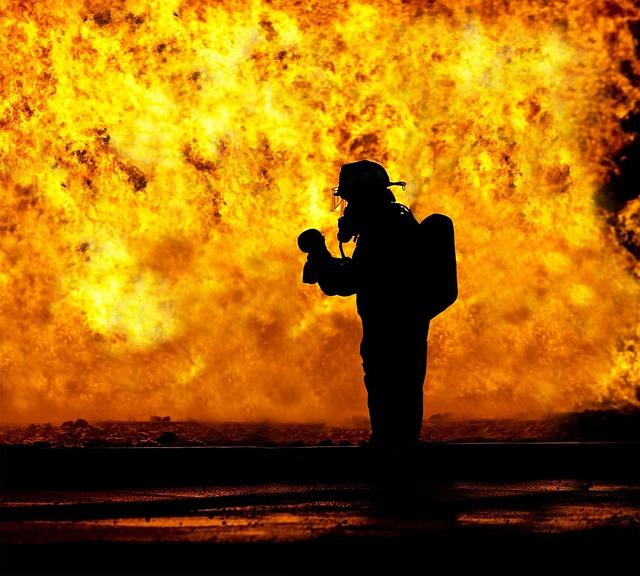
– Providing Adequate Personal Protective Equipment for Dry Cleaning Employees
Working at a dry cleaners might not seem inherently dangerous, but like many other jobs, there are risks that employees need to be aware of. One of the key risks for dry cleaning employees is exposure to harmful chemicals that are used in the cleaning process. These chemicals can pose a serious health risk if not handled properly, which is why it is important for employers to provide adequate personal protective equipment (PPE) to their employees.
Personal protective equipment can include items such as gloves, aprons, goggles, and respirators. These items are designed to protect employees from exposure to potentially harmful chemicals and to minimize the risk of accidents or injuries while working. By providing the necessary PPE, employers can help to ensure the safety and well-being of their employees.
It is the responsibility of employers to assess the workplace and identify potential hazards that could affect their employees. Once these hazards have been identified, employers must take steps to mitigate the risks, such as providing PPE and ensuring that employees are properly trained in how to use it effectively. By taking these steps, employers can create a safer work environment for their employees and reduce the risk of accidents or injuries.
Ultimately, working at a dry cleaners can be safe as long as employers take the necessary precautions to protect their employees. By providing adequate personal protective equipment and ensuring that employees are properly trained in how to use it, employers can help to minimize the risks associated with working in this industry.

– Training Employees on Safe Handling and Storage of Hazardous Chemicals
Working at a dry cleaners may seem like a safe job, but there are potential hazards that employees need to be aware of. One of the main concerns is the safe handling and storage of hazardous chemicals used in the cleaning process. Proper training is essential to ensure the safety of both employees and customers.
Employees should be trained on the following key points:
- Identification of hazardous chemicals used in the cleaning process
- Safe handling practices, such as wearing protective equipment and following proper procedures
- Storage of chemicals in designated areas away from heat sources and incompatible substances
- Proper disposal of waste chemicals in accordance with regulations
By providing thorough training on the safe handling and storage of hazardous chemicals, dry cleaners can create a safer work environment for their employees and reduce the risk of accidents or health problems related to chemical exposure.

– Addressing the Risk of Fire and Burns in Dry Cleaning Facilities
Addressing the Risk of Fire and Burns in Dry Cleaning Facilities
Working at a dry cleaning facility can pose certain risks, especially when it comes to fire and burns. It is essential for employees to be aware of these potential hazards and take necessary precautions to ensure their safety. Below, we will explore some of the key factors that contribute to the risk of fire and burns in dry cleaning establishments:
- Chemical Solvents: Dry cleaning involves the use of flammable chemical solvents such as perchloroethylene (perc). Improper handling or storage of these solvents can increase the risk of fire.
- Equipment Malfunctions: Faulty equipment such as dryers and press machines can overheat and cause fires. Regular maintenance and inspections are crucial to prevent such incidents.
- Clothing Ignition: The high temperatures used in the dry cleaning process can ignite clothing items that are not flame-resistant. Proper handling and storage of garments are essential to reduce the risk of burns.
By implementing strict safety protocols, providing adequate training to employees, and conducting regular inspections, dry cleaning facilities can significantly reduce the risk of fire and burns. It is crucial for both employers and employees to prioritize safety in the workplace to ensure a secure working environment for everyone involved.
– Creating Emergency Response Plans for Accidents and Spills in a Dry Cleaners
In any workplace, safety should always be a top priority, and dry cleaners are no exception. Accidents and spills can happen in any environment, but when dealing with chemicals and machinery in a dry cleaning setting, the risks can be higher. That’s why creating emergency response plans specifically tailored to accidents and spills in a dry cleaners is crucial for the safety of employees and customers.
**Why Create Emergency Response Plans for Dry Cleaners?**
– Chemical spills and exposure can be harmful to health
– Machinery accidents can cause serious injuries
– Fires can quickly escalate in a dry cleaning setting
**Key Elements of an Emergency Response Plan for Dry Cleaners:**
1. **Identification of Potential Risks**: Assessing the specific hazards in the dry cleaning environment.
2. **Training and Communication**: Ensuring all employees are aware of emergency protocols and procedures.
3. **Equipment and Supplies**: Providing necessary tools and materials for immediate response to accidents and spills.
4. **Regular Drills and Updates**: Practicing emergency scenarios and updating the response plan as needed.
**Sample Emergency Response Table for Dry Cleaners:**
| Type of Emergency | Response Action |
|———————|—————————–|
| Chemical spill | Evacuate area, contain spill, and call for professional cleanup |
| Machinery accident | Secure area, assess injuries, and call emergency services if needed |
| Fire | Activate fire alarm, evacuate building, and use fire extinguisher if safe|
– Regularly Monitoring Air Quality in Dry Cleaning Establishments
Regularly monitoring air quality in dry cleaning establishments is crucial to ensure the safety and well-being of workers. The chemicals used in the dry cleaning process, such as perchloroethylene (PERC), can pose serious health risks if proper precautions are not taken. By monitoring air quality, potential exposure to harmful chemicals can be identified and mitigated.
Common air pollutants found in dry cleaning establishments include:
- Volatile organic compounds (VOCs)
- Particulate matter
- Carbon monoxide
Setting up a monitoring system that regularly checks for these pollutants can help prevent long-term health effects for employees. Proper ventilation systems, air filtration, and wearing appropriate personal protective equipment are also essential in maintaining a safe working environment.
| Pollutant | Health Effects |
|---|---|
| Volatile Organic Compounds (VOCs) | Irritation of the eyes, nose, and throat; headaches; dizziness; and nausea |
| Particulate Matter | Respiratory issues, such as asthma exacerbation and lung cancer |
| Carbon Monoxide | Headaches, dizziness, weakness, upset stomach, vomiting, chest pain, and confusion |

– Promoting Workplace Safety Culture and Communication Among Dry Cleaning Staff
Working at a dry cleaning facility may not seem like a dangerous job at first glance, but there are important safety considerations that all staff should be aware of. By promoting a workplace safety culture and improving communication among dry cleaning staff, we can reduce the risk of accidents and injuries on the job.
One key aspect of promoting workplace safety is providing proper training for all employees. This includes training on how to safely operate machinery, handle chemicals, and lift heavy loads. By ensuring that all staff members are well-trained, we can minimize the risk of workplace accidents.
Communication is also essential for maintaining a safe work environment. Staff should feel comfortable reporting any safety concerns or hazards they encounter, so that they can be addressed promptly. Encouraging open communication among team members can help to prevent accidents and promote a culture of safety in the workplace.
Ultimately, by prioritizing workplace safety culture and communication among dry cleaning staff, we can create a safer and more efficient work environment for everyone. Let’s work together to ensure that all employees feel safe and supported while on the job.

– Collaborating with Occupational Health Professionals to Ensure a Safe Work Environment for Dry Cleaners
Collaborating with Occupational Health Professionals
Ensuring a safe work environment for dry cleaners is crucial to protect the health and well-being of employees. By collaborating with occupational health professionals, dry cleaning businesses can implement comprehensive safety measures to minimize risks and hazards in the workplace.
Occupational health professionals can provide valuable insights and expertise in identifying potential occupational hazards specific to the dry cleaning industry. They can conduct risk assessments, recommend safety protocols, and develop training programs to educate employees on best practices for handling hazardous materials and operating machinery.
By working closely with occupational health professionals, dry cleaners can proactively address safety concerns, reduce the incidence of workplace accidents, and promote a culture of safety and wellness among employees. This collaboration ultimately benefits both employees and the business by creating a safe and healthy work environment.
Wrapping Up
In conclusion, working at a dry cleaner does pose some risks to employees, but these can be mitigated with proper training, safety protocols, and equipment. It is important for employees to be aware of the potential dangers associated with the job and take necessary precautions to protect themselves. By staying informed and following best practices, workers can ensure their safety and well-being while on the job. Remember, a safe workplace is a happy workplace. Stay informed, stay safe, and keep working smart!
Get our latest guides, news, and insights highlighted in your Google Search & AI Overviews.


