

Expert Guide: How to Clean Air Ducts at Home for Better Air Quality
Are you looking to improve the air quality in your home? One powerful way to do so is by cleaning your air ducts. In this expert guide, we’ll walk you through step-by-step how to clean your air ducts at home for better air quality. With a few simple tools and techniques, you can breathe easier and enjoy a healthier living space for you and your family. Let’s dive in and get started!
Preparation is Key: Gather Necessary Materials
In order to successfully clean your air ducts at home and improve your indoor air quality, it is essential to gather all the necessary materials before getting started. Having the right tools and supplies on hand will make the process more efficient and ensure a thorough cleaning job.
Here is a list of materials you will need for cleaning air ducts:
- • Drop cloths or plastic sheeting to protect the surrounding areas from dust and debris
- • A vacuum cleaner with a hose and attachments for reaching into ducts
- • A stiff-bristled brush or duster for dislodging dirt and debris
- • Disposable gloves and masks to protect yourself from particles and allergens
- • Anti-bacterial spray or cleaning solution for disinfecting the ducts
Once you have gathered all the necessary materials, you can begin the process of cleaning your air ducts. Remember, proper preparation is key to achieving the best results and ensuring that your home has cleaner, healthier air.
Locate and Remove Air Duct Covers
To clean your air ducts effectively, it is essential to locate and remove the air duct covers in your home. Here’s how you can do it:
First, identify the air duct covers in each room of your house. These covers are usually located on the walls or floors and can be unscrewed or lifted easily.
Next, use a screwdriver to carefully remove the screws holding the air duct covers in place. If the covers are secured with clips, gently pry them off with a flathead screwdriver.
Once the covers are removed, inspect them for any dust, dirt, or debris. You can use a vacuum cleaner with a brush attachment to clean the covers thoroughly.
After cleaning the covers, wipe them down with a damp cloth to remove any remaining dirt or grime. Then, allow the covers to dry completely before reattaching them to the air ducts.
By following these simple steps, you can ensure that your air ducts are clean and free of any contaminants, leading to better air quality in your home.
Thorough Vacuuming: A Crucial First Step
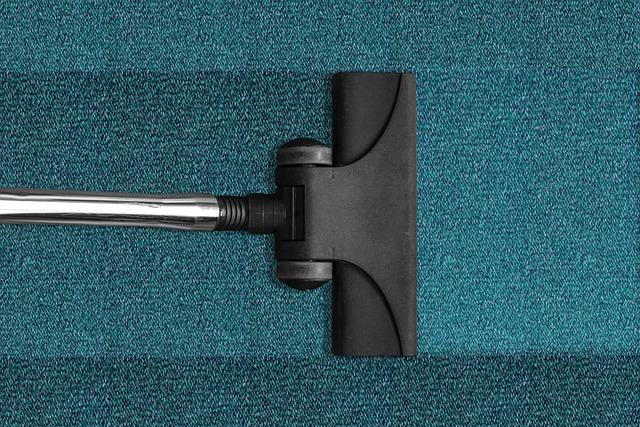
Before you begin the process of cleaning your air ducts, it is crucial to start with thorough vacuuming. This step is essential as it helps to remove any large debris and dust particles that may be present in the ducts. By eliminating these contaminants, you can prevent them from circulating in your home once the air ducts are cleaned.
When vacuuming your air ducts, be sure to pay special attention to the vents and registers. Use a high-powered vacuum cleaner with a HEPA filter to effectively capture dust and allergens. Additionally, consider using attachments to reach into tight spaces and corners.
Benefits of Thorough Vacuuming:
- Improves air quality in the home
- Reduces the spread of dust and allergens
- Prevents clogs and blockages in the ductwork
| Benefit | Description |
|---|---|
| Improves air quality | Removing dust and debris leads to cleaner air for your family. |
| Reduces spread of allergens | Less dust circulating means fewer allergens in the air. |
| Prevents clogs | Regular vacuuming helps to keep ducts clear and free-flowing. |
Cleaning with the Right Tools: Brushes and Rods
When it comes to cleaning air ducts at home for better air quality, using the right tools is essential. Brushes and rods are two key tools that can help you effectively clean your air ducts and improve the air flow in your home.
Brushes:
- Round wire brushes: Ideal for scrubbing the walls of the ducts and removing built-up dirt and debris.
- Nylon brushes: Great for gentle cleaning and removing dust and allergens from the ducts.
Rods:
- Fiberglass rods: Flexible and durable, perfect for navigating through twists and turns in the ductwork.
- Steel rods: Sturdy and ideal for pushing or pulling brushes to effectively clean the ducts.
By using a combination of brushes and rods, you can thoroughly clean your air ducts and ensure better air quality in your home. Remember to always wear protective gear and follow safety guidelines when cleaning your air ducts.

Addressing Mold and Mildew: Effective Removal Techniques
When it comes to maintaining a healthy home environment, addressing mold and mildew is crucial. These pesky fungi can not only cause unpleasant odors but also pose serious health risks to you and your family. To effectively remove mold and mildew, here are some techniques you can use:
- Vinegar: Vinegar is a natural antimicrobial agent that can help kill mold and mildew spores. Simply mix equal parts vinegar and water in a spray bottle and apply it to the affected areas. Let it sit for a few hours before scrubbing the surface clean.
- Baking Soda: Baking soda is another effective natural cleaner that can help eliminate mold and mildew. Create a paste by mixing baking soda with water and apply it to the affected areas. Let it dry before scrubbing it off.
- Bleach: For stubborn mold and mildew stains, bleach can be a powerful cleaner. Dilute bleach with water and apply it to the affected areas. Let it sit for a few minutes before rinsing it off thoroughly.
By using these effective removal techniques, you can ensure that your home is free from mold and mildew, leading to better air quality and a healthier living environment. Remember to address any underlying moisture issues to prevent mold and mildew growth in the future.
Sanitizing and Deodorizing Air Ducts: Ensure Fresh Air Quality
Cleaning air ducts at home is essential for maintaining a healthy living environment and ensuring fresh air quality. One important step in this process is sanitizing and deodorizing the air ducts to eliminate any lingering odors and harmful bacteria. Here are some expert tips on how to effectively clean your air ducts:
– **Begin by inspecting your air ducts** to identify any visible mold, dust, or debris that may be causing poor air quality.
– **Use a vacuum with a HEPA filter** to remove loose particles and dust from the ducts.
– **Next, sanitize the air ducts** using a solution of water and white vinegar or a commercial disinfectant spray.
– **To deodorize the air ducts**, consider using essential oils or a baking soda solution to neutralize odors and freshen the air.
By regularly cleaning and sanitizing your air ducts, you can ensure that your home has better air quality and a healthier living environment for you and your family.
Inspecting for Damage: Signs to Look Out For
When inspecting your air ducts for damage, there are several signs to look out for that can indicate potential issues with your system. One key indicator of damage is visible mold growth or a musty odor coming from the ducts. Mold can pose serious health risks and should be addressed promptly. Additionally, if you notice any unusual noises coming from the ducts, such as banging or rattling, this could be a sign of loose or damaged components that need attention.
Another common indicator of duct damage is a noticeable decrease in airflow throughout your home. If you find that certain rooms are consistently warmer or cooler than others, this could be a sign that there is a blockage or leak in the ductwork. It’s important to address these issues promptly to maintain optimal airflow and energy efficiency in your home.
In some cases, you may also notice an increase in dust or debris around your vents or a sudden spike in your energy bills. These could be signs that your ducts are due for a cleaning or repair. By keeping an eye out for these warning signs, you can catch any issues early and ensure that your air ducts are functioning at their best.
If you suspect that your air ducts are damaged, it’s important to consult with a professional HVAC technician to assess the situation and recommend the best course of action. Regular inspections and maintenance can help to keep your air ducts in top condition, improving the air quality in your home and extending the lifespan of your HVAC system.
Sealing Air Ducts: Preventing Future Contamination
Properly sealing air ducts is essential for maintaining good indoor air quality and preventing future contamination. When air ducts are not properly sealed, contaminants such as dust, pollen, and mold can enter the ductwork and circulate throughout your home. This can lead to respiratory issues and exacerbate allergies for you and your family.
Here are some expert tips on how to effectively seal air ducts to prevent future contamination:
- Identify Leaks: Inspect your air ducts for any visible leaks or gaps where air could be escaping. Common areas to check are connections at joints and seams.
- Use Duct Tape: Purchase high-quality duct tape specifically designed for sealing air ducts. Apply the tape to any leaks or gaps you find to create a tight seal.
- Consider Professional Help: If you are unsure about how to properly seal your air ducts, it may be best to hire a professional HVAC technician. They have the expertise and tools needed to ensure your ductwork is properly sealed.
| Benefits of Sealing Air Ducts: | Improved indoor air quality |
|---|---|
| Reduced energy bills | |
| Increased HVAC system efficiency |
Regular Maintenance: Keeping Air Ducts Clean and Healthy
Regular maintenance of your air ducts is crucial for maintaining good indoor air quality and the overall health of your HVAC system. Keeping your air ducts clean can help improve airflow, reduce energy costs, and prevent the buildup of mold, dust, and other allergens in your home.
To clean your air ducts at home, follow these expert tips:
– **Inspect your air ducts:** Before cleaning, inspect your air ducts for any visible signs of debris, dust, or mold. Look for any areas that may need special attention.
– **Use the right tools:** To effectively clean your air ducts, you’ll need tools like a vacuum cleaner with a long hose attachment, a brush or duster, and microfiber cloths.
– **Remove and clean vent covers:** Start by removing vent covers and cleaning them with soap and water. Use a vacuum with a brush attachment to clean inside the vents.
– **Vacuum the ducts:** Use your vacuum cleaner with a long hose attachment to carefully clean inside the air ducts. Be sure to reach as far as you can to remove any dust and debris.
By regularly cleaning your air ducts at home, you can ensure better air quality and a healthier living environment for you and your family. Remember to schedule professional duct cleaning every few years for a deeper clean and maintenance of your HVAC system.
In Summary
In conclusion, maintaining clean air ducts is crucial for ensuring better air quality in your home. By following the expert tips outlined in this guide, you can effectively remove built-up dust, debris, and allergens from your air ducts. Regular cleaning will not only improve the overall air quality of your home but also help your HVAC system run more efficiently. Remember to schedule routine maintenance and inspections to keep your air ducts clean and your indoor air fresh. Thank you for reading and here’s to healthier, cleaner air in your home!


