

Complete Guide: How to Clean Polycarbonate Surfaces
Keeping your polycarbonate surfaces clean and well-maintained is essential for preserving their appearance and longevity. In this complete guide, we will walk you through the step-by-step process of effectively cleaning polycarbonate surfaces, ensuring they remain free of dirt, grime, and other contaminants. Whether you’re working with polycarbonate windows, patio furniture, or anything in between, by following these expert tips, you’ll be able to keep your surfaces looking like new for years to come.
Guide: Understanding Polycarbonate Surfaces
Introduction
Polycarbonate surfaces are commonly used in a variety of applications, from eyeglass lenses to bulletproof windows. Understanding how to properly clean and maintain these surfaces is essential to ensuring their longevity and performance. In this guide, we will provide you with all the information you need to effectively clean polycarbonate surfaces.
Cleaning Tools
Before you begin cleaning a polycarbonate surface, it’s important to gather the necessary tools. Here are some items you will need:
- Mild soap or detergent
- Microfiber cloth
- Water
- Soft brush or sponge
Step-by-Step Cleaning Process
Follow these steps to clean your polycarbonate surfaces effectively:
- Prepare the cleaning solution: Mix mild soap or detergent with water in a bucket.
- Apply the solution: Dip a microfiber cloth or soft brush into the cleaning solution and gently wipe the surface.
- Rinse: Use clean water to rinse off any remaining soap residue.
- Dry: Use a dry microfiber cloth to dry the surface and prevent water spots.
Polishing and Protecting
In addition to regular cleaning, you may also want to consider polishing and protecting your polycarbonate surfaces to enhance their appearance and prolong their lifespan. There are specific polishes and protective coatings available for polycarbonate surfaces that can help prevent scratches and UV damage.

Importance of Proper Cleaning Techniques
Why Proper Cleaning Techniques are Essential
Cleaning polycarbonate surfaces requires special care and attention to ensure they remain in top condition. Using the right techniques not only keeps the surfaces looking pristine but also extends their lifespan. Here are some key reasons why proper cleaning techniques are crucial:
- Prevent Damage: Incorrect cleaning methods can scratch or dull the surface of polycarbonate, leading to irreversible damage.
- Remove Contaminants: Cleaning regularly helps remove dirt, grime, and other contaminants that can degrade the surface over time.
- Preserve Clarity: Proper cleaning techniques help maintain the clarity and transparency of polycarbonate, ensuring optimal visibility.
- Enhance Appearance: A clean and well-maintained polycarbonate surface adds to the overall aesthetics of any environment.
By following the correct cleaning guidelines, you can protect your polycarbonate surfaces and keep them looking their best for years to come.

Best Practices for Cleaning Polycarbonate
Using the Right Tools
When it comes to cleaning polycarbonate surfaces, it’s important to use the right tools to avoid scratching or damaging the material. Here are some :
- Soft cloth or sponge: Use a soft cloth or sponge to gently wipe down the polycarbonate surface. Avoid using abrasive materials that can scratch the surface.
- Mild soap and water: Mix a small amount of mild soap with water to create a gentle cleaning solution. Avoid using harsh chemicals or solvents that can damage the polycarbonate.
- Microfiber cloth: Use a microfiber cloth to dry the surface after cleaning to prevent streaks or water spots from forming.
Avoiding Damage
It’s important to avoid certain cleaning methods and materials that can damage polycarbonate surfaces. Here are some things to avoid when cleaning polycarbonate:
- Abrasive cleaners: Avoid using abrasive cleaners, scouring pads, or coarse materials that can scratch the surface of the polycarbonate.
- Strong chemicals: Avoid using strong chemicals or solvents such as ammonia, bleach, or acetone that can react with the polycarbonate and cause damage.
- High temperatures: Avoid using hot water or steam to clean polycarbonate surfaces, as high temperatures can warp or discolor the material.
Choosing the Right Cleaning Products
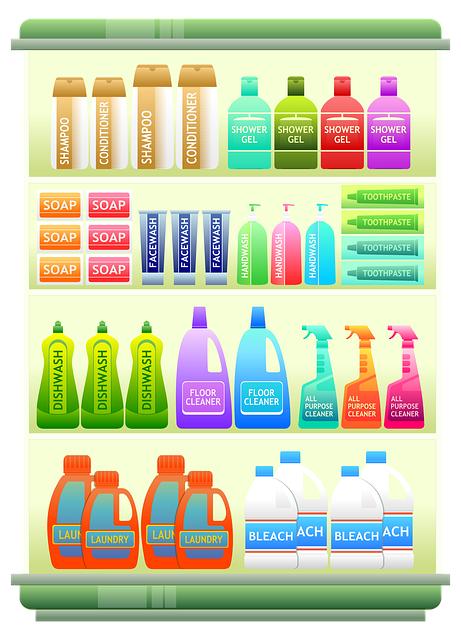
When it comes to cleaning polycarbonate surfaces, it is essential to use the right cleaning products to avoid damaging the material. Polycarbonate is a durable and versatile material commonly used in outdoor furniture, eyewear, and even bulletproof glass. To keep your polycarbonate surfaces clean and in top condition, follow these tips:
- Avoid harsh chemicals: Harsh chemicals such as bleach, ammonia, and abrasive cleaners can scratch or dull polycarbonate surfaces. Stick to mild soap and water or specialized polycarbonate cleaners.
- Use a soft cloth: To prevent scratching the surface, use a soft cloth or sponge when cleaning polycarbonate. Avoid using rough materials like steel wool or scrub brushes.
- Rinse thoroughly: After cleaning the surface, be sure to rinse it thoroughly with clean water to remove any soap residue. Dry the surface with a clean, soft cloth or sponge to prevent water spots.
By following these simple guidelines, you can keep your polycarbonate surfaces looking clean and new for years to come. Remember, regular cleaning and maintenance are key to preserving the longevity and appearance of your polycarbonate possessions.
Step-by-Step Cleaning Process
When it comes to cleaning polycarbonate surfaces, it’s important to follow a step-by-step process to ensure they are properly cleaned without causing any damage. Here is a complete guide on how to clean polycarbonate surfaces effectively:
- Gather the necessary supplies: Before starting the cleaning process, make sure you have all the required supplies such as a microfiber cloth, mild soap, water, and a soft brush.
- Remove any debris: Begin by gently removing any dirt or debris from the surface using a soft brush or cloth. This will help prevent scratching during the cleaning process.
- Prepare a cleaning solution: Mix a small amount of mild soap with water to create a gentle cleaning solution. Avoid using harsh chemicals or abrasive cleaners that can damage the polycarbonate surface.
- Clean the surface: Dip the microfiber cloth into the cleaning solution and gently wipe the polycarbonate surface in a circular motion. Repeat this process until the surface is clean and free of any dirt or grime.

Preventing Scratches and Damage
To prevent scratches and damage on your polycarbonate surfaces, it’s important to follow a few key steps. First and foremost, avoid using rough or abrasive materials when cleaning. Stick to soft microfiber cloths or sponges to gently wipe down the surface.
Another tip is to avoid using harsh chemicals that can degrade the polycarbonate material over time. Opt for mild soapy water or a specialized plastic cleaner instead. Make sure to rinse thoroughly with clean water to remove any residue.
If you need to remove stubborn stains, consider creating a paste with baking soda and water. Gently rub the paste onto the stain with a soft cloth, then rinse thoroughly. Avoid using excessive force, as this can cause scratches.
Lastly, consider applying a protective coating or polish specifically designed for polycarbonate surfaces. This can help maintain the integrity of the material and prevent scratches from occurring in the first place. Remember, prevention is key when it comes to keeping your polycarbonate surfaces looking their best for years to come.
Dealing with Stubborn Stains
Cleaning stubborn stains from polycarbonate surfaces can be a challenging task, but with the right tools and techniques, you can restore your surfaces to their original shine. Here are some tips to help you tackle even the toughest stains:
- Vinegar and Water Solution: Mix equal parts vinegar and water in a spray bottle and apply it to the stained area. Let it sit for a few minutes before wiping it clean with a microfiber cloth.
- Baking Soda Paste: Make a paste using baking soda and water, and apply it to the stain. Gently scrub the area with a soft-bristled brush before wiping it clean with a damp cloth.
- Isopropyl Alcohol: Dampen a cloth with isopropyl alcohol and gently rub the stained area. Rinse with water and dry with a clean cloth.
If these methods don’t work, you can try using a commercial polycarbonate cleaner or polish. Follow the manufacturer’s instructions carefully to avoid damaging the surface. Remember to always test any cleaning solution on a small, inconspicuous area first to ensure it doesn’t cause any damage.

Maintaining the Shine of Polycarbonate
To maintain the shine of your polycarbonate surfaces, regular cleaning is key. Here are some tips to keep your polycarbonate looking shiny and new:
- Start by removing any dust or debris with a soft cloth or sponge.
- Use a mild soap or detergent mixed with warm water to gently clean the surface.
- Avoid using abrasive cleaners or scrubbers, as they can scratch the polycarbonate.
- Rinse thoroughly with clean water and dry with a soft cloth to prevent water spots.
If there are stubborn stains or marks on the polycarbonate surface, you can try using a solution of vinegar and water or a specialized plastic cleaner. Apply the cleaner with a soft cloth in a circular motion, then rinse and dry as usual. With proper care and maintenance, your polycarbonate surfaces will continue to shine for years to come.
| Product | Price |
|---|---|
| Plastic Cleaner | $10 |
| Mild Soap | $5 |
| Vinegar | $2 |

Recommended Cleaning Schedule
Keeping your polycarbonate surfaces clean is essential to maintain their appearance and extend their lifespan. Here is a complete guide on how to effectively clean polycarbonate surfaces:
- Regular Dusting: Dust the surface with a soft cloth or microfiber duster to remove any loose dirt or debris.
- Gentle Cleaning Solution: Prepare a cleaning solution using mild soap or detergent with lukewarm water.
- Soft Cleaning Cloth: Dip a soft cloth or sponge into the cleaning solution and gently wipe the polycarbonate surface in a circular motion.
- Rinse and Dry: Rinse the surface with clean water and dry it with a soft, lint-free towel to prevent water spots.
| Cleaning Frequency | Recommended Time |
|---|---|
| Weekly | 30 minutes |
| Monthly | 1 hour |
| Seasonally | 2 hours |
The Way Forward
In conclusion, maintaining the cleanliness of polycarbonate surfaces is essential for their longevity and appearance. By following the steps outlined in this guide, you can effectively clean your polycarbonate surfaces with ease. Remember to use gentle cleaning solutions, avoid harsh chemicals, and utilize microfiber cloths to prevent scratching. With proper care and maintenance, your polycarbonate surfaces will remain clear, bright, and beautiful for years to come. Thank you for reading our complete guide on how to clean polycarbonate surfaces!


