How to Clean Thermostat: Expert Techniques from a Cleaning Lady!
Are you tired of adjusting your thermostat, only to find that it’s not working properly? In this article, we will share expert techniques from a cleaning lady on how to clean your thermostat like a pro. Say goodbye to unreliable temperature control and hello to a more efficient and comfortable home!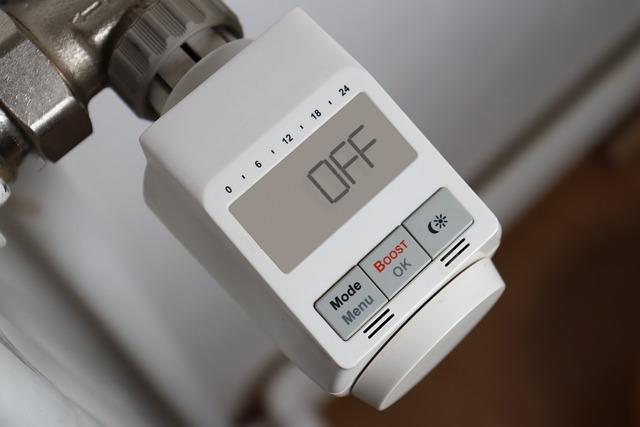
How to Identify If Your Thermostat Needs Cleaning
One way to determine if your thermostat needs cleaning is by observing the temperature in your home. If the temperature seems to fluctuate frequently or if the thermostat is not accurately reflecting the temperature settings you have inputted, it might be time for a cleaning.
Another way to identify if your thermostat needs cleaning is by checking for any dirt or dust buildup around the device. Dust and debris can interfere with the thermostat’s sensors, causing it to malfunction. To clean your thermostat, you can follow these expert techniques:
- Turn off the power to your thermostat before cleaning
- Remove the cover of the thermostat
- Gently clean the inside of the thermostat with a soft brush or cloth
- Use compressed air to blow away any stubborn dust or debris
Regularly cleaning your thermostat can help ensure that it functions properly and accurately regulates the temperature in your home. By following these expert cleaning techniques, you can help prolong the life of your thermostat and improve its overall performance.
Essential Tools Needed for Cleaning Your Thermostat
To effectively clean your thermostat, you will need a few essential tools to get the job done right. Here are the must-have items you will need for this task:
- Soft-bristled brush: Use a soft-bristled brush to gently sweep away any dust, dirt, or debris that may have accumulated on the thermostat.
- Cotton swabs: Dip a cotton swab in rubbing alcohol to clean hard-to-reach areas and remove any stubborn grime.
- Compressed air: Using a can of compressed air can help dislodge any trapped dirt or dust from crevices on the thermostat.
- Microfiber cloth: Wipe down the thermostat with a microfiber cloth to give it a final polish and shine.
In addition to these tools, it is crucial to follow proper cleaning techniques to avoid damaging the thermostat or compromising its functionality. Take your time and be gentle when cleaning to ensure a thorough job without causing any harm. With the right tools and techniques, you can keep your thermostat clean and running smoothly for years to come.
Step-by-Step Guide to Cleaning Your Thermostat
Cleaning your thermostat may seem like a daunting task, but with the right techniques, you can ensure that it stays in top condition. Follow these step-by-step instructions for a sparkling clean thermostat:
- Turn off the power: Before you begin cleaning your thermostat, make sure to turn off the power at the circuit breaker to avoid any electrical issues.
- Remove the cover: Use a screwdriver to carefully remove the cover of the thermostat. Be gentle to avoid damaging any components.
- Clean the interior: Use a soft brush or compressed air to remove any dust or debris from inside the thermostat. Be thorough in your cleaning to ensure optimal performance.
- Reassemble and test: Once you’ve cleaned the interior, reattach the cover and turn the power back on. Test the thermostat to ensure it is functioning properly.
By following these expert cleaning techniques, you can keep your thermostat in top condition and maintain a comfortable environment in your home. Remember to clean your thermostat regularly to prevent any issues and ensure that it continues to work efficiently.

Tips for Safely Disassembling Your Thermostat
When it comes to cleaning your thermostat, safety should always be a top priority. Here are some expert tips to help you safely disassemble your thermostat:
- Turn off the power: Before you begin disassembling your thermostat, make sure to turn off the power at the circuit breaker to prevent any accidents.
- Use the right tools: To avoid damaging your thermostat, use the proper tools such as a screwdriver or needle-nose pliers.
- Follow the manufacturer’s instructions: Different thermostats have different disassembly procedures, so make sure to refer to the manufacturer’s instructions before starting.
- Handle with care: Be gentle when removing the cover and components of your thermostat to prevent any damage or breakage.
By following these tips, you can safely disassemble your thermostat and ensure that it is clean and functioning properly.
Common Mistakes to Avoid When Cleaning Your Thermostat
When cleaning your thermostat, there are several common mistakes that people often make which can lead to inefficiencies and potential damage. To ensure that you properly clean your thermostat, follow these expert techniques straight from a cleaning lady!
Firstly, one of the biggest mistakes to avoid is using harsh chemicals or abrasive materials when cleaning your thermostat. This can damage the delicate components and sensors inside the thermostat, affecting its accuracy and performance. Instead, opt for a soft, dry cloth or a gentle cleaning solution that is safe for electronic devices.
Another common mistake is neglecting to turn off the power to the thermostat before cleaning it. This can be dangerous and may result in electrical shocks or damage to the thermostat. Always make sure to turn off the power at the circuit breaker before cleaning to ensure your safety and prevent any potential damage.
Furthermore, avoid spraying any cleaning solution directly onto the thermostat. This can seep into the device and cause malfunctions. Instead, spray the cleaning solution onto a cloth and gently wipe down the thermostat to remove any dust or grime.
Lastly, be mindful of not accidentally bending or damaging the thermostat’s delicate wires or components while cleaning. Take care when handling the device and use gentle, precise movements to ensure that everything remains intact and properly functioning. By following these expert techniques, you can effectively clean your thermostat without any mishaps or setbacks.
Benefits of Regularly Cleaning Your Thermostat
Regularly cleaning your thermostat can offer numerous benefits that can improve the efficiency and longevity of your HVAC system. Here are a few key advantages:
- Improved Performance: Dust and dirt can accumulate on the thermostat sensors, causing inaccuracies in temperature readings. Cleaning these sensors can help ensure that your HVAC system operates at its best.
- Energy Savings: A clean thermostat can help your HVAC system to work more efficiently, leading to potential energy savings on your utility bills.
- Prevent Malfunctions: Dust buildup can interfere with the thermostat’s electrical connections, leading to potential malfunctions. Regular cleaning can help prevent these issues.
| Tip: | Use a soft brush or canned air to gently clean the thermostat sensors and vents. |
|---|

Expert Tricks for Removing Dust and Debris from Your Thermostat
To effectively remove dust and debris from your thermostat, there are a few expert tricks that can make the process much easier. One of the simplest methods is to use a soft-bristle brush to gently sweep away any build-up on the surface of the thermostat. Ensure the brush is clean and dry to prevent further dust accumulation.
Another effective technique is to use compressed air to blow away dust from hard-to-reach areas of the thermostat. Be sure to hold the canister upright and use short bursts to avoid causing any damage. Additionally, you can use a vacuum cleaner with a brush attachment to carefully suck up any dust particles around the thermostat.
For a more thorough cleaning, you can remove the thermostat cover and use a mild cleaning solution, such as a mixture of water and vinegar, to wipe down the surface. Ensure the thermostat is completely dry before reattaching the cover to avoid any moisture damage. By implementing these expert tricks, you can maintain a clean and efficient thermostat in your home.
Using the Right Cleaning Solutions for Different Thermostat Types
When it comes to cleaning thermostats, it’s essential to use the right cleaning solutions for different types of thermostats to avoid damaging them. Here are some expert techniques from a seasoned cleaning lady to ensure your thermostat stays in top condition:
1. Traditional Thermostats:
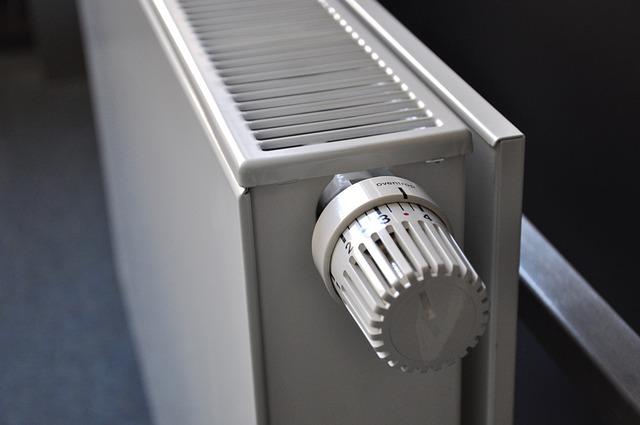
- For traditional thermostats with buttons, knobs, or switches, use a microfiber cloth dampened with water or a gentle cleaner to wipe away dust and grime.
- Avoid using harsh chemicals or abrasive scrubbers, as they can scratch or discolor the thermostat.
2. Smart Thermostats:
- Smart thermostats with touchscreens should be cleaned with a microfiber cloth slightly dampened with water or screen cleaner specifically designed for electronics.
- Be gentle when cleaning the touchscreen to prevent any damage to the sensitive display.
| Type of Thermostat | Recommended Cleaning Solution |
|---|---|
| Traditional Thermostats | Water or gentle cleaner |
| Smart Thermostats | Screen cleaner for electronics |
3. Programmable Thermostats:
- For programmable thermostats, remove the batteries before cleaning to avoid any electrical mishaps.
- Use a dry or slightly damp cloth to wipe down the thermostat and ensure no moisture seeps into the battery compartment.
By using the right cleaning solutions and techniques for different thermostat types, you can keep your thermostat looking and functioning its best for years to come. Remember to clean your thermostat regularly to prevent dust buildup and maintain optimal performance.

Maintenance Tips to Keep Your Thermostat Clean and Functional
Cleaning your thermostat is an essential part of maintaining its functionality and efficiency. Here are some expert techniques from a cleaning lady to keep your thermostat clean and functional:
- Turn off the power: Before cleaning your thermostat, make sure to turn off the power to avoid any electrical accidents.
- Remove the cover: Gently remove the cover of the thermostat to access the inside components.
- Clean with a soft brush: Use a soft brush to gently remove any dust or debris from the thermostat components.
- Use a damp cloth: If necessary, use a damp cloth to wipe down the thermostat and remove any stubborn dirt.
| Thermostat Component | Cleaning Technique |
|---|---|
| Display Screen | Gently wipe with a microfiber cloth |
| Buttons | Use a cotton swab dipped in rubbing alcohol |
| Sensors | Clean with a soft brush or compressed air |
By regularly cleaning your thermostat using these expert techniques, you can ensure that it remains in good working condition and provides accurate temperature readings. Remember to schedule a cleaning routine for your thermostat to keep it clean and functional for years to come.
When to Seek Professional Help for Thermostat Cleaning
Having a clean thermostat is essential for ensuring your HVAC system works efficiently and effectively. If you notice your thermostat is dirty or not functioning properly, it may be time to seek professional help for cleaning. Here are some signs that indicate it’s time to call in the experts:
- Your thermostat is constantly giving inaccurate readings
- You notice dust or debris collecting around the thermostat area
- Your HVAC system is running more frequently than usual
Professional help is recommended if you are unsure about how to safely and effectively clean your thermostat. Cleaning experts have the knowledge and tools to properly clean and maintain your thermostat, ensuring it works optimally. Don’t hesitate to seek help if you are experiencing any of the above issues with your thermostat.
Final Thoughts
In conclusion, keeping your thermostat clean is crucial for maintaining its functionality and efficiency. By following these expert techniques from a cleaning lady, you can ensure that your thermostat operates smoothly and accurately. Remember to use a soft cloth, gentle cleaning solution, and be mindful of the delicate components inside. Regular maintenance and cleaning will not only prolong the lifespan of your thermostat but also help you save on energy costs. Don’t forget to consult the manufacturer’s instructions for specific cleaning recommendations. By incorporating these tips into your cleaning routine, you can enjoy a comfortable and energy-efficient home for years to come. Thank you for reading!