

Washing Fencing Gear: Expert Care Tips for Clean and Safe Equipment
Whether you’re a seasoned fencer or just starting out, proper care and maintenance of your gear is essential for a safe and successful fencing experience. In this article, we’ll provide expert tips and tricks for washing and caring for your fencing equipment, ensuring that it remains clean, safe, and ready for action. Read on to learn how to keep your gear in top condition for maximum performance on the strip.
– Importance of Regularly Washing Fencing Gear
Regularly washing your fencing gear is crucial for maintaining its quality and ensuring your safety during practice and competitions. By keeping your equipment clean, you can prevent the buildup of sweat, dirt, and bacteria that can lead to unpleasant odors and potential skin infections. Not only does washing your gear regularly improve hygiene, but it also helps prolong the lifespan of your equipment, saving you money in the long run.
When it comes to washing your fencing gear, there are a few expert care tips to keep in mind. Firstly, always check the manufacturer’s instructions for washing and caring for your specific equipment. Use mild detergent and lukewarm water to gently hand wash your gear, being careful not to damage any delicate components. After washing, make sure to thoroughly rinse and air dry your gear to prevent mold and mildew from forming.
Investing in a good gear bag with proper ventilation can also help keep your equipment clean and dry between uses. Additionally, consider using a disinfectant spray or wipes to sanitize high-touch areas like blades and grips. By incorporating regular washing and maintenance into your fencing routine, you can ensure that your gear remains in top condition for optimal performance and safety.
– Proper Techniques for Cleaning Fencing Masks
When it comes to cleaning your fencing masks, it’s essential to follow proper techniques to ensure they remain clean and safe for use. Regular cleaning not only helps to prolong the life of your gear but also prevents the buildup of dirt, sweat, and bacteria that can lead to infections or skin irritation.
To start, here are some expert care tips for cleaning your fencing masks:
- Use a mild detergent and warm water to gently scrub the inside and outside of the mask.
- Avoid using harsh chemicals or bleach, as they can damage the mask’s material and compromise its integrity.
- Pay special attention to the padding and mesh areas, as these are common areas for dirt and sweat to accumulate.
- Allow the mask to air dry completely before storing it in a cool, dry place to prevent mold or mildew growth.
By following these proper cleaning techniques, you can ensure that your fencing masks remain in top condition for your next bout. Remember, a clean mask is not only vital for your own safety but also demonstrates respect for your fellow fencers.
– Tips for Cleaning Fencing Gloves and Jackets
To keep your fencing gloves and jackets in top condition, it’s important to clean them regularly. Here are some expert care tips to ensure your gear stays clean and safe for your next fencing match:
Cleaning Fencing Gloves:
- Use a damp cloth to gently wipe off any dirt or debris on the gloves.
- For tough stains, mix a mild detergent with water and gently scrub the affected areas.
- Allow the gloves to air dry completely before storing them to prevent any mold or mildew growth.
Cleaning Fencing Jackets:
- Check the manufacturer’s instructions for specific washing guidelines for your jacket.
- If machine washable, use a gentle cycle with mild detergent and cold water to avoid damaging the fabric.
- Hang the jacket to air dry rather than putting it in the dryer to preserve its shape and prevent shrinkage.
By following these simple cleaning tips, you can extend the lifespan of your fencing gear and ensure it remains in top condition for your next training session or competition. Remember, proper maintenance is key to keeping your equipment clean, safe, and ready for action.
– The Best Methods for Washing Body and Chest Protectors
When it comes to washing body and chest protectors for fencing gear, it’s important to follow the best methods to ensure they are clean and safe to use. Here are some expert care tips to help you effectively clean your equipment:
-
Regularly Wash with Mild Detergent: It is recommended to wash body and chest protectors regularly to remove sweat, dirt, and bacteria. Use a mild detergent to gently scrub the surface of the protectors to ensure thorough cleaning.
-
Hand Wash for Delicate Care: To preserve the integrity of the material, it is best to hand wash body and chest protectors. This method allows you to gently clean the protectors without compromising their structure.
-
Air Dry for Optimal Results: After washing, avoid putting body and chest protectors in the dryer as high heat can damage the material. Instead, air dry the protectors in a well-ventilated area to ensure they are completely dry before storing them.
- Inspect for Wear and Tear: While cleaning your body and chest protectors, take the time to inspect them for any signs of wear and tear. Look for tears, holes, or weakened areas that may compromise the protective function of the gear. If any damage is found, consider repairing or replacing the protectors.
Remember, proper care and maintenance of your fencing gear, including body and chest protectors, will ensure they remain in top condition for optimal performance and safety during your fencing matches.
– Ensuring Blades are Clean and Rust-Free After Each Use
To ensure your fencing blades are clean and rust-free after each use, follow these expert care tips:
- Start by wiping down the blade with a clean, dry cloth to remove any dirt or debris.
- Use a mild soap and water solution to gently clean the blade, being careful not to soak the handle or guard.
- Rinse the blade thoroughly with clean water and dry it completely with a soft cloth.
- After the blade is dry, apply a light coating of blade oil to prevent rust and corrosion.
By following these simple steps after each use, you can prolong the life of your fencing gear and ensure safe and effective performance during your next bout. Remember, clean and rust-free blades are essential for maintaining peak performance and protecting your investment in fencing equipment.

– Drying and Storing Fencing Gear to Prevent Damage
After washing your fencing gear, it is crucial to properly dry and store it to prevent damage and ensure its longevity. Here are some expert care tips to help you keep your equipment clean and safe:
– **Hang Your Gear to Air Dry**: After washing your fencing gear, hang it up in a well-ventilated area to air dry completely. Avoid leaving it crumpled or folded, as this can lead to mold and mildew growth.
– **Use a Drying Rack**: Invest in a fencing gear drying rack to help facilitate the drying process. These racks are designed to allow air circulation around your equipment, promoting quicker drying and preventing musty odors.
– **Store Your Gear in a Ventilated Area**: Once your gear is completely dry, store it in a cool, dry, and well-ventilated area. Avoid storing it in a damp or humid environment, as this can lead to mold and mildew growth.
– **Avoid Direct Sunlight**: While it’s important to dry your gear in a well-ventilated area, avoid exposing it to direct sunlight for extended periods of time. UV rays can damage the fabric and padding of your gear, leading to deterioration over time.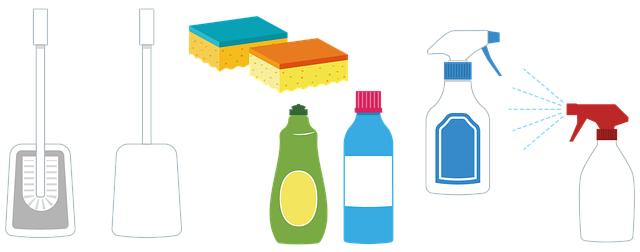
– Using Mild Detergents and Avoiding Harsh Chemicals
When washing your fencing gear, it is crucial to use mild detergents and avoid harsh chemicals to ensure the longevity and safety of your equipment. Harsh chemicals can damage the fabric, padding, and protective elements of your gear, compromising its effectiveness and safety during practice and competition.
To properly clean your fencing gear using mild detergents, follow these expert care tips:
– Use a gentle detergent specifically designed for delicate fabrics.
– Avoid bleach, fabric softeners, or any harsh chemicals that can degrade the material.
– Wash your gear in cold water to prevent shrinking and preserve the elasticity of the fabric.
– Air dry your equipment instead of using a dryer to avoid damaging the padding and protective elements.
By following these simple yet crucial steps, you can maintain your fencing gear in top condition, ensuring its cleanliness and safety for your next fencing session. Proper care and maintenance will not only prolong the life of your equipment but also enhance your performance on the fencing strip.
– Addressing Lingering Odors in Fencing Equipment
One common issue that fencers face is the presence of lingering odors in their fencing equipment. The combination of sweat, bacteria, and moisture can create a musty smell that can be difficult to eliminate. To address this problem, it is crucial to regularly wash and properly care for your gear. Here are some expert tips for ensuring that your equipment remains clean and safe:
1. **Properly airing out your gear**: After each practice or competition, make sure to hang up your fencing gear to air out. Proper ventilation can help prevent the growth of odor-causing bacteria.
2. **Regular washing**: It is important to regularly wash your fencing attire, including jackets, pants, gloves, and masks. Follow manufacturer guidelines for washing instructions and use mild detergent to avoid damaging the fabric.
3. **Using odor-eliminating sprays**: To tackle stubborn odors, consider using odor-eliminating sprays specifically designed for sports equipment. These sprays can help neutralize odors and keep your gear smelling fresh.
4. **Replacing worn-out gear**: If despite your best efforts, the odor persists in your equipment, it may be time to consider replacing any worn-out pieces. Investing in new gear can not only improve hygiene but also enhance your performance on the strip.
Incorporating these care tips into your routine can help ensure that your fencing equipment remains clean, odor-free, and safe for use. By taking the necessary steps to address lingering odors, you can prolong the lifespan of your gear and maintain a professional appearance on and off the strip.
– Regular Inspection for Wear and Tear on Gear
Regular inspection for wear and tear on fencing gear is crucial to ensure the safety of the fencer and the longevity of the equipment. By regularly checking your gear, you can identify any potential issues before they become a safety hazard. Here are some expert care tips for keeping your fencing gear clean and safe:
- Inspect the mask for any signs of damage, such as dents or cracks.
- Check the jacket and pants for any tears or fraying in the fabric.
- Examine the glove for any holes or worn-out areas.
It’s important to clean your fencing gear regularly to prevent the buildup of sweat and bacteria. After each use, wipe down the mask, jacket, pants, glove, and any other gear with a damp cloth to remove any dirt or sweat. Allow the gear to air dry completely before storing it in a well-ventilated area.
In addition to regularly inspecting and cleaning your gear, it’s also important to properly store it to prevent damage. Invest in a gear bag that is specifically designed for fencing equipment to keep everything organized and protected. Make sure to store your gear in a cool, dry place away from direct sunlight to prevent any damage from UV rays.
| Gear | Inspection |
|---|---|
| Mask | Check for dents or cracks |
| Jacket and Pants | Inspect for tears or fraying |
| Glove | Look for holes or worn-out areas |
Final Thoughts
In conclusion, proper care and maintenance of your fencing gear is essential for both cleanliness and safety. By following these expert tips, you can ensure that your equipment remains in top condition and keeps you protected during matches. Remember to regularly wash and inspect your gear, store it properly, and replace any worn or damaged parts as needed. With these simple steps, you can prolong the life of your fencing equipment and continue to enjoy the sport with confidence. Stay safe and happy fencing!


