

How to Dry Carpet After Cleaning? Expert Techniques Revealed!
Are you tired of waiting for your freshly cleaned carpet to dry? Look no further! In this article, we’ve gathered expert techniques to help you dry your carpet quickly and efficiently. From using air movers to leveraging natural airflow, we’ll reveal secrets that will leave your carpet feeling fresh and ready to step on in no time. So, whether you’ve spilled a drink or just completed a deep cleaning, keep reading to discover the essential steps for achieving a dry and pristine carpet.
– Understanding the Importance of Proper Carpet Drying Techniques
Proper carpet drying techniques are crucial for maintaining the cleanliness and longevity of your carpets. After a thorough cleaning, it is essential to ensure that your carpets are dried thoroughly to prevent mold, mildew, and odors from developing. In this post, we will reveal expert techniques on how to dry your carpets effectively.
-
Use a powerful extractor: Invest in a high-quality carpet extractor that has powerful suction capabilities. This will help to remove as much moisture as possible from your carpets. Make sure to pass the extractor over the carpet multiple times to ensure thorough drying.
-
Increase air circulation: Open windows and doors to promote air movement in the room. You can also use fans to help circulate the air and speed up the drying process. Placing fans strategically around the room will help to eliminate excess moisture and prevent the development of mold and mildew.
-
Elevate the furniture: If you have any furniture on the carpeted area, it is crucial to elevate them using furniture blocks or aluminum foil. This will prevent any moisture from seeping into the furniture and damaging it. Additionally, it will allow the carpet underneath to dry more efficiently.
- Utilize carpet drying tools: There are several specialized tools available that can assist in the drying process. Carpet dryers and dehumidifiers are designed specifically to remove moisture from carpets quickly. Using these tools in conjunction with proper ventilation and air circulation will result in faster and more effective drying.
Remember, proper carpet drying techniques play a significant role in maintaining the cleanliness and appearance of your carpets. By following these expert techniques, you can ensure thorough drying, preventing any potential damage and prolonging the lifespan of your carpets.
– Step-by-Step Guide to Successfully Dry Your Carpet After Cleaning
After a thorough carpet cleaning session, it is crucial to ensure that your carpet dries properly to prevent any potential damage, mold, or mildew growth. Damp carpet can be a breeding ground for bacteria and allergens, so it’s essential to follow expert techniques to ensure a successful drying process. Here is a step-by-step guide to help you dry your carpet effectively:
-
Increase airflow: Open all windows and doors in the room to allow fresh air to circulate. This will help in drying out the carpet faster. If weather permits, you can even use fans to increase the airflow and expedite the drying process.
-
Use a dehumidifier: If the humidity levels in your area are high, consider using a dehumidifier to remove excess moisture from the air. This will help in preventing any moisture from being absorbed back into the carpet fibers.
-
Remove furniture or elevate it: To accelerate the drying process, remove any furniture or objects from the carpeted area. If removing furniture is not possible, place small blocks or foil under the legs to elevate them slightly. This will prevent any furniture from trapping moisture and causing damage to the carpet.
-
Blot excess moisture: If there are any areas that are particularly wet, use clean towels or absorbent cloths to blot the excess moisture. Avoid rubbing the carpet as it can damage the fibers and lead to fraying.
- Utilize baking soda: Sprinkle baking soda generously on the carpet and let it sit for a few hours. Baking soda not only absorbs any remaining moisture but also helps in eliminating any odors. Vacuum the baking soda thoroughly once the carpet is completely dry.
Remember, the drying time for carpets varies depending on factors such as carpet thickness, humidity levels, and airflow. It is essential to exercise patience throughout the process to ensure a successful outcome. By following these expert techniques, you can effectively dry your carpet after cleaning, leaving it clean, fresh, and ready to be enjoyed once again.
– Using Air Circulation to Expedite the Drying Process
After a thorough carpet cleaning, the last thing you want is to have a wet carpet that takes forever to dry. Luckily, there are expert techniques you can use to expedite the drying process and get your carpet back to its pristine condition in no time.
One highly effective method is to utilize air circulation to promote faster drying. Here’s how it works:
- Open windows and doors: By allowing fresh air to flow into the room, you can enhance the evaporation process as the moisture in the carpet is drawn out.
- Use fans strategically: Positioning fans at different angles around the room can distribute the air evenly, ensuring that moisture is not concentrated in one area.
- Set up dehumidifiers: Dehumidifiers remove excess moisture from the air, helping to reduce overall humidity levels and speeding up the drying process.
Additionally, employing these expert techniques can aid in preventing mold and mildew growth, which can be a common problem if carpets remain damp for too long. Remember to regularly check the progress of the drying process to make adjustments as necessary.
| Technique | Benefits |
|---|---|
| Opening windows and doors | Allows fresh air to circulate, enhancing evaporation |
| Using fans strategically | Distributes air evenly for quicker drying |
| Setting up dehumidifiers | Reduces overall humidity and speeds up drying process |
By employing these expert techniques and ensuring proper air circulation, you’ll have your freshly cleaned carpet dried and ready to use in no time. Enjoy the satisfaction of a clean and dry carpet!
- The Power of Vacuuming to Remove Excess Moisture
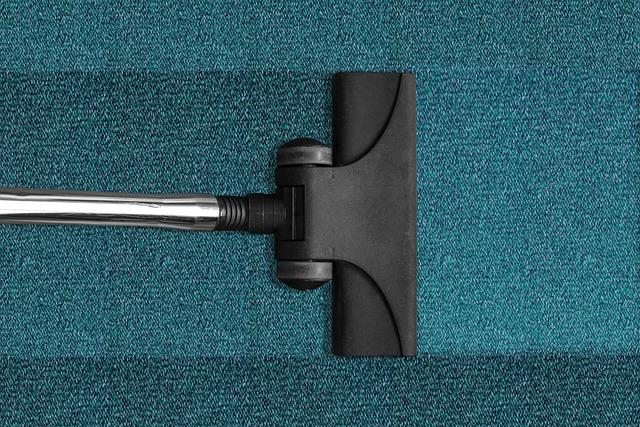
Vacuuming is a simple yet effective technique that can help remove excess moisture from your carpets after cleaning. Not only does it speed up the drying process, but it also prevents mold and mildew from forming. So, if you want to ensure your carpets are thoroughly dry, grab your vacuum and follow these expert techniques!
-
Start by setting your vacuum to the lowest setting possible. This allows the suction power to be gentle enough, not only to remove moisture but also to protect your carpet fibers.
-
Begin vacuuming the carpet in a slow and steady motion. Make sure to cover every inch of the carpet, paying extra attention to areas that may have retained more moisture, such as near doors or in high-traffic areas.
-
To maximize the power of vacuuming, use a dry cleaning solution specifically designed for carpets. These solutions are formulated to absorb excess moisture, leaving your carpets drier and cleaner.
- After vacuuming, allow your carpets to air dry for a few hours. Opening windows or turning on fans can help accelerate the drying process. For particularly stubborn moisture, you can also use a dehumidifier to extract excess moisture from the air.
Overall, vacuuming is a simple yet powerful method for removing excess moisture from your carpets after cleaning. By following these expert techniques, you can ensure that your carpets are not only clean but also properly dried, keeping them in optimal condition for years to come. So, don’t forget to add vacuuming to your carpet cleaning routine for a truly thorough and effective clean!
– Utilizing Fans and Dehumidifiers to Ensure Swift Drying
Utilizing Fans and Dehumidifiers to Ensure Swift Drying
Drying your carpet after cleaning is a critical step to prevent mold and mildew growth. While air drying alone may take hours or even days, utilizing fans and dehumidifiers can significantly speed up the drying process. In this post, we will reveal expert techniques on how to effectively dry your carpet and ensure a swift drying time.
Fans play a crucial role in promoting air circulation, aiding in the evaporation of excess moisture trapped in the carpet fibers. Place a few fans strategically around the room, aiming them toward the carpeted area. This will create airflow and help to push out the damp air, expediting the drying process. To maximize airflow, keep doors and windows open to allow fresh air to circulate throughout the space.
In addition to fans, employing a dehumidifier can further enhance drying efficiency. Dehumidifiers extract excess moisture from the air, reducing humidity levels in the room. This not only helps in drying the carpet but also prevents the growth of mold and mildew. Place the dehumidifier in the center of the room or near the area of the carpet that requires drying. Set the dehumidifier to the appropriate moisture level, usually between 30-50%. Remember to empty the water reservoir regularly to maintain its optimal performance.
To effectively use fans and dehumidifiers together, consider the following tips:
- Position fans and dehumidifiers at a reasonable distance from each other to ensure proper air circulation without hindering each other’s functions.
- Keep the fans and dehumidifiers running continuously until the carpet is completely dry, which may take anywhere from a few hours to a day, depending on the size of the carpet and the room’s humidity levels.
- Regularly monitor the progress by checking the moisture levels of the carpet using a moisture meter or by simply feeling the fibers. Repeat the process if any dampness is detected.
By combining the power of fans and dehumidifiers, you can significantly reduce drying time and minimize potential damage to your carpet. Remember to exercise caution when using electrical devices and ensure they are in good working condition. Following these expert techniques will help you achieve a thoroughly dried carpet, ensuring a clean and safe living environment for you and your family.
– Expert Tips for Removing Stubborn Stains During the Drying Process
When it comes to carpet cleaning, the drying process is just as important as the actual cleaning itself. Properly drying your carpet after cleaning ensures that no moisture is left behind, which can lead to mold and mildew growth. In this post, we will share expert tips on how to remove stubborn stains during the drying process, leaving your carpet fresh, clean, and ready to be used again.
1. Blotting Technique:
One effective technique to remove stubborn stains during the drying process is the blotting technique. Start by blotting the stain with a clean, white cloth or paper towel to absorb as much liquid as possible. Avoid rubbing the stain, as this can spread it further into the carpet fibers. Instead, gently press down on the stained area, working from the outside edges toward the center. Repeat this process until no more liquid can be absorbed.
2. Vinegar and Baking Soda:
For tough stains like red wine or coffee, a mixture of vinegar and baking soda can work wonders. First, blot the stain as much as possible. Then, mix equal parts white vinegar and water in a spray bottle. Spray the solution onto the stain and let it sit for a few minutes. Next, sprinkle baking soda over the area and gently scrub it with a soft-bristle brush. Allow the baking soda to sit for about 15 minutes before vacuuming it up. This combination of vinegar and baking soda helps neutralize and lift stubborn stains while also deodorizing the carpet.
3. Steam Cleaning:
If you’re dealing with particularly stubborn stains that just won’t budge, steam cleaning can be a highly effective option. Steam cleaning involves using hot water and a cleaning solution to penetrate deep into the carpet fibers. The steam helps to break down and lift the stains, while the suction of the machine removes the dirt and moisture. This method is best done with a professional-grade steam cleaner or by hiring a professional carpet cleaning service. It ensures a thorough cleaning and helps prevent any residual stains from resurfacing during the drying process.
By following these expert tips, you can successfully remove stubborn stains during the drying process and ensure a fresh and clean carpet. Regular carpet cleaning and proper drying techniques not only prolong the life of your carpet but also contribute to a healthier indoor environment. Remember to always test any cleaning solution on a small, inconspicuous area of your carpet before applying it to a larger stain, and never hesitate to seek professional help for tough or persistent stains.
– How to Prevent Mold and Mildew Growth While Drying Your Carpet
When it comes to cleaning carpets, one of the most important steps is ensuring they are properly dried to prevent mold and mildew growth. Moisture trapped in carpets can create the perfect breeding ground for these pesky fungi, leading to unpleasant odors and potential health hazards. Fortunately, there are expert techniques you can employ to avoid these issues and keep your carpets fresh and clean.
-
Use proper ventilation: Ensure good air circulation in the room where the carpet is being dried. Open windows, turn on fans, or use dehumidifiers to promote airflow and encourage faster drying. The more air that can circulate around the damp carpet, the quicker it will dry.
-
Remove excess moisture: Before beginning the drying process, use towels or absorbent materials to blot up as much moisture as possible. Press firmly on the wet areas, working from the outside in, to prevent the moisture from spreading further into the carpet fibers.
-
Utilize baking soda: Sprinkling baking soda generously on the carpet helps absorb residual moisture and eliminates any musty odors. Leave the baking soda on the carpet for a few hours, or even overnight, before vacuuming it up. This simple yet effective step not only aids in drying but also leaves your carpet smelling fresh.
- Elevate and separate: If feasible, elevate your carpet off the floor using wooden blocks or other materials to allow air-flow underneath. This method helps prevent moisture from getting trapped and enables the carpet to dry more thoroughly. Additionally, regularly repositioning and separating any damp sections of the carpet will expedite the drying process.
By following these expert techniques, you can ensure your carpet dries properly after cleaning, minimizing the risk of mold and mildew growth. Remember, a dry carpet is a clean carpet, so take the necessary steps to facilitate quick drying and maintain a healthy environment in your home.
– The Benefits of Professional Carpet Dryers for Faster Results
Professional carpet dryers are a game-changer when it comes to getting faster results after cleaning your carpets. These specialized machines utilize powerful airflow to expedite the drying process, leaving your carpets clean, fresh, and dry in no time. Here are some of the key benefits of using professional carpet dryers:
-
Faster Drying Time: Unlike traditional air drying methods, professional carpet dryers are designed to rapidly eliminate moisture from the carpet fibers. The high-speed airflow generated by these dryers helps to speed up evaporation, reducing the drying time significantly. This means you can restore the use of your carpets sooner and avoid the inconvenience of damp and musty odors.
-
Prevents Mold and Mildew Growth: Moisture can quickly become a breeding ground for mold and mildew, which not only damages your carpets but also poses health risks. Professional carpet dryers effectively remove excess moisture, minimizing the chances of mold and mildew growth. By investing in these dryers, you can protect both your carpets and your indoor air quality.
-
Preserves Carpet Quality: Traditional drying methods often involve leaving the carpet to air dry, which can lead to uneven drying and potential damage. Professional carpet dryers offer a controlled and uniform drying process, preventing the risk of shrinkage, discoloration, or warping. This ensures that your carpets maintain their original beauty and prolongs their lifespan.
- Versatile Applications: Professional carpet dryers are not limited to just carpets. These versatile machines can be used to dry upholstery, rugs, curtains, and even concrete floors. Whether you’re cleaning your home, office, or any other commercial space, these dryers prove to be indispensable tools for fast and efficient drying.
Investing in professional carpet dryers not only saves you time and effort but also guarantees exceptional results. With their ability to expedite the drying process, prevent mold growth, preserve carpet quality, and offer versatile applications, these machines are a must-have for every cleaning professional or carpet enthusiast.
– Mistakes to Avoid When Drying Your Carpet after Cleaning
Drying your carpet properly after a thorough cleaning is crucial to maintain its beauty and prevent any potential damage. Without proper drying, your carpet can become a breeding ground for mold and mildew, causing unpleasant odors and potentially harmful health conditions. To ensure your carpet dries efficiently and without any mishaps, here are some common mistakes to avoid:
-
Ignoring air circulation: It’s essential to promote good airflow during the drying process. Many people make the mistake of closing all doors and windows, which slows down the drying time. Instead, open windows, turn on fans, and use air movers if necessary to facilitate the circulation of fresh air.
-
Using excessive heat: While it might be tempting to speed up the drying process by using high heat, it can actually do more harm than good. Exposing your carpet to excessive heat can cause shrinkage, color fading, and even damage the carpet fibers. Stick to moderate temperatures and allow ample time for the carpet to dry naturally.
-
Over-wetting the carpet: Another common mistake is using too much water during the cleaning process. Excess moisture can seep deep into the carpet padding and take a long time to evaporate. This can lead to mildew growth and unpleasant odors. Follow the manufacturer’s guidelines or consult a professional carpet cleaner to determine the correct amount of water to use.
- Neglecting proper ventilation: Inadequate ventilation can prolong the drying time and create a stuffy environment. Make sure to open doors and windows to allow for proper air exchange. If you live in a humid climate or the weather is unfavorable, consider using a dehumidifier to remove excess moisture from the air.
By avoiding these common mistakes and following these expert techniques, you can ensure that your carpet dries thoroughly and maintains its quality and appearance. Remember, patience is key when it comes to drying carpets after cleaning. Take the necessary steps to promote proper airflow and allow sufficient time for the carpet to dry naturally. Your efforts will pay off with a clean, fresh, and long-lasting carpet.
– Extending the Lifespan of Your Carpet through Effective Drying Techniques
One of the most essential steps in carpet cleaning is ensuring that your carpet is thoroughly dried afterward. Effective drying techniques not only prevent mold and mildew growth but also extend the lifespan of your carpet. In this post, we will reveal expert techniques on how to properly dry your carpet after cleaning, so you can enjoy a clean and fresh carpet for years to come.
-
Use Air Circulation: After cleaning your carpet, it’s crucial to promote proper air circulation to speed up the drying process. Open windows and doors to let fresh air in, and turn on fans or ceiling fans to increase airflow in the room. This will facilitate faster evaporation and prevent moisture from seeping into the carpet fibers.
-
Utilize Dehumidifiers: If you live in a humid climate or are dealing with excessive moisture, using a dehumidifier can work wonders. These devices help remove excess moisture from the air, creating a drier environment that aids in quicker carpet drying. Place the dehumidifier in the room where the carpet was cleaned to maximize its effectiveness.
-
Opt for Professional Carpet Cleaning Machines: Professional carpet cleaning machines often come equipped with powerful water extraction capabilities. These machines effectively remove moisture from your carpet, leaving it damp rather than soaking wet. By using these machines, you minimize the drying time required and reduce the risk of mold or mildew growth.
- Employ Quick-Drying Techniques: For those who want their carpets to dry as fast as possible, there are several quick-drying techniques you can apply. These include:
- Using towels or paper towels to absorb any excess water left on the carpet.
- Sprinkling baking soda on the damp areas to absorb moisture and eliminate any odors.
- Placing portable fans strategically around the room to expedite the drying process.
By implementing these techniques, you can significantly reduce the drying time and ensure that your carpet remains fresh, clean, and free from any potential water damage.
Remember, proper drying techniques are essential for maintaining a healthy and long-lasting carpet. Taking the time to dry your carpet thoroughly after cleaning will not only preserve its appearance but also protect the investment you’ve made in your home’s flooring. So, whether you’re tackling a DIY carpet cleaning project or relying on professional services, always prioritize effective drying techniques to prolong the lifespan of your carpet.
Key Takeaways
In conclusion, drying your carpet after cleaning is an essential step to maintain its cleanliness and prevent mold or mildew growth. With the expert techniques revealed in this article, you can ensure a quick and effective drying process. First and foremost, removing excess moisture by blotting and using fans or dehumidifiers will expedite the drying time. Additionally, lifting furniture and using elevated drying methods can avoid potential damage. Remember to open windows and promote airflow in the room, allowing the moisture to evaporate. Lastly, patience is key when it comes to drying your carpet thoroughly. By following these tried-and-true techniques, you can maintain a fresh and hygienic carpet all year round. So go ahead and implement these expert tips to achieve the best results. Happy carpet cleaning and drying!


